

Electrical systems are essential for keeping a home comfortable, functional, and safe. From lighting fixtures and ceiling fans to switches, outlets, and household appliances, many everyday activities depend on properly maintained electrical equipment. When something stops working, homeowners need a reliable professional who can identify the problem and recommend an appropriate solution.
Electrical handyman services can help with certain minor electrical maintenance tasks, fixture replacements, and basic installations, depending on the professional’s qualifications and local regulations. These services may be useful when you need to replace a compatible light fixture, address a faulty switch, or arrange an inspection of an electrical problem.
However, electrical work can involve serious risks, including electric shock, burns, and fire. Tasks involving wiring, electrical panels, circuits, or other regulated installations should be performed by appropriately licensed or qualified electricians.
This guide explains common electrical handyman services, their benefits, cost considerations, safety requirements, and how to choose the right professional for your home.
What Are Electrical Handyman Services?
Electrical handyman services refer to limited electrical maintenance, fixture-related work, and general household repairs offered by professionals with the appropriate training and qualifications.
The exact services available vary by location. In some areas, a general handyman may perform certain basic tasks, while other jurisdictions require a licensed electrician for nearly all electrical installations and repairs.
Typical service requests may include:
- Replacing compatible light fixtures where legally permitted.
- Installing suitable ceiling fans.
- Replacing damaged switch or outlet covers.
- Troubleshooting nonhazardous fixture-related problems.
- Installing certain low-voltage accessories.
- Replacing compatible lighting components.
- Checking visible signs of electrical damage.
- Coordinating repairs with a qualified electrician.
A handyman should not undertake work beyond their competence or legal authorization. If a repair involves concealed wiring, electrical panels, new circuits, repeated breaker trips, or signs of overheating, a qualified electrician is the appropriate professional.
Common Electrical Handyman Services for Homes
1. Light Fixture Replacement
Lighting fixtures contribute to both the appearance and functionality of a home. Outdated fixtures, damaged fittings, or poorly positioned lights may reduce comfort and visibility.
Depending on local regulations and qualifications, a professional may be able to replace a compatible fixture with a suitable modern alternative.
Before selecting a replacement, consider the fixture’s dimensions, mounting requirements, bulb compatibility, brightness, and intended location.
Bathroom and outdoor fixtures require particular attention to moisture ratings and installation requirements. Any work involving electrical connections should be performed only by a person legally qualified to do so.
2. Ceiling Fan Installation
Ceiling fans can improve air circulation and make indoor spaces more comfortable.
Installing a fan requires more than attaching it to the ceiling. The mounting support must be suitable for the fan’s weight and movement, and the electrical supply and controls must be compatible.
A qualified professional can assess the installation requirements, confirm suitable support, and ensure that the fan is installed according to the manufacturer’s instructions and applicable codes.
Never mount a ceiling fan to a standard light-fixture box unless it is specifically rated for fan support.
3. Switch and Outlet Maintenance
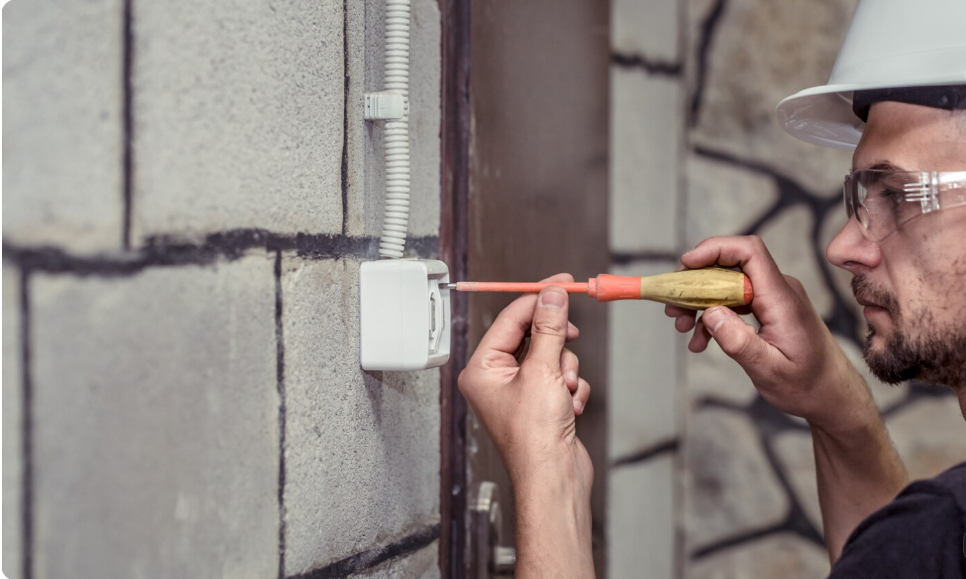
Wall switches and electrical outlets receive frequent use and can deteriorate over time.
Cracked covers, loose fittings, unusual warmth, buzzing, or discoloration may indicate a problem that requires professional attention.
A handyman may be able to address non-electrical cosmetic issues, such as replacing a suitable cover, where permitted. Electrical faults inside the switch or outlet should be evaluated and repaired by a qualified electrician.
Avoid using damaged outlets or attempting to repair energized electrical components yourself.
4. Indoor and Outdoor Lighting Improvements
Appropriate lighting can make kitchens, bedrooms, hallways, garages, and outdoor areas easier to use.
Possible improvement projects include selecting energy-efficient bulbs, planning task lighting, replacing suitable decorative fixtures, and arranging professionally installed pathway or security lighting.
Outdoor electrical equipment must be rated for its environment. Installation should account for moisture exposure, weather conditions, grounding, and applicable protective devices.
For new wiring, outdoor circuits, or electrical modifications, use a qualified electrician.
5. Smoke Alarm and Safety Device Maintenance
Smoke alarms and other household safety devices play an important role in protecting occupants.
Maintenance may include checking installation dates, following manufacturer testing instructions, replacing batteries where applicable, and ensuring that alarms remain unobstructed.
Hardwired alarms or interconnected systems may require a qualified electrician for installation or repair.
Never disable a smoke alarm permanently to stop nuisance alerts. Investigate the cause and follow the manufacturer’s instructions for proper maintenance.
Benefits of Hiring a Qualified Professional
Choosing the right professional can help homeowners resolve electrical concerns while reducing the risk of improper installation.
Improved Safety
Electrical systems can be dangerous when damaged, overloaded, or incorrectly modified. A qualified professional understands applicable safety procedures and can recognize situations that require further investigation.
Reliable Installation
Properly installed fixtures and compatible components are more likely to function as intended. Professional installation can also help prevent problems associated with unsuitable mounting hardware, incorrect components, and poor workmanship.
Time Savings
An experienced professional can identify the appropriate repair path and determine whether the problem falls within their authorized scope of work.
If the issue requires an electrician, identifying that need early can help avoid unnecessary delays.
Better Maintenance Planning
A professional may identify visible concerns that need follow-up, such as damaged fixtures, deteriorated covers, or signs of moisture around electrical equipment.
Major electrical concerns should be assessed by a qualified electrician rather than treated as routine handyman repairs.
Appropriate Equipment and Materials
Electrical installations require compatible components, suitable tools, and compliance with relevant standards. Qualified professionals can help select products appropriate for the location and intended use.
Electrical Handyman Services and Cost Considerations
The cost of electrical-related services depends on the task, location, labor requirements, materials, accessibility, and professional qualifications.
Simple fixture-related work may cost less than troubleshooting an intermittent fault or installing a new circuit. Licensed electricians may charge different rates from general handymen, reflecting the work’s complexity and regulatory requirements.
Factors That Affect Pricing

Type of task: Replacing a compatible fixture is different from diagnosing a recurring electrical fault.
Labor requirements: Difficult access, high ceilings, or complex mounting arrangements may increase labor costs.
Materials: Fixture prices, mounting hardware, controls, and replacement components affect the total.
Location: Local labor rates, transportation, and service availability influence estimates.
Emergency appointments: Evening, weekend, or urgent call-outs may involve additional charges.
Permits and inspections: Certain electrical modifications require formal approvals or inspections.
Comparing Common Service Types
| Service Type | Main Considerations | Suitable Professional |
|---|---|---|
| Compatible bulb replacement | Bulb type and fixture rating | Homeowner or handyman, when safe |
| Light fixture installation | Mounting, wiring, compatibility | Qualified professional as required locally |
| Ceiling fan installation | Fan-rated support and electrical connections | Qualified installer or electrician |
| Damaged outlet repair | Possible wiring or connection fault | Licensed or qualified electrician |
| New circuit installation | Load calculations, wiring, protection | Qualified electrician |
| Electrical panel work | Serious safety and code requirements | Licensed electrician |
| Smoke alarm battery replacement | Correct battery and manufacturer instructions | Homeowner, where applicable |
Request an itemized estimate before approving work. Confirm whether the price includes materials, travel, labor, permits, and any necessary follow-up visit.
How to Choose the Right Electrical Handyman or Electrician
Selecting a suitable professional is essential when electrical safety is involved.
1. Verify Qualifications and Legal Authorization
Check whether the professional is qualified and legally permitted to perform the specific work in your area.
For wiring, circuit modifications, panel work, and other regulated tasks, hire an appropriately licensed electrician. Do not assume that a general handyman is authorized to perform electrical installations.
2. Check Experience
Ask whether the professional has experience with the specific fixture, equipment, or problem involved.
Someone who regularly installs compatible lighting fixtures may not be qualified to diagnose complex wiring faults or modify a distribution panel.
3. Confirm Insurance
Ask about appropriate insurance coverage and verify relevant details where necessary.
Insurance requirements vary by jurisdiction and type of work, but confirming coverage is a sensible part of contractor selection.
4. Request a Written Estimate
A written estimate should explain the task, materials, expected labor, additional charges, and any exclusions.
For larger jobs, confirm who is responsible for obtaining permits and arranging required inspections.
5. Read Reviews and Ask for References
Customer reviews can provide insight into reliability, communication, punctuality, and workmanship.
Look for consistent feedback across multiple sources and ask for references when the project is significant.
6. Discuss Safety Before Work Begins
Explain the problem clearly and mention any unusual smells, sounds, heat, sparks, or recurring power interruptions.
A responsible professional should recognize when work needs to stop until a qualified electrician can investigate.
Electrical Safety Signs You Should Never Ignore
Some electrical symptoms indicate potentially serious hazards and should not be treated as routine maintenance issues.
Burning Smells or Scorch Marks
A burning smell, blackened outlet, or visible melting around electrical equipment may indicate overheating.
Stop using the affected equipment. If it is safe to do so, disconnect the affected appliance without touching damaged components. Contact a qualified electrician promptly.
If there is smoke or fire, evacuate and contact local emergency services.
Repeated Circuit Breaker Trips
A breaker that repeatedly trips may indicate an overloaded circuit, a faulty appliance, or an electrical fault.
Do not repeatedly reset the breaker or replace it with a higher-rated device. Have the cause investigated by a qualified electrician.
Buzzing, Sparking, or Unusual Heat
Electrical outlets, switches, and panels should not produce persistent buzzing, sparks, or unusual heat.
Keep away from the affected equipment and arrange professional assessment. Do not open electrical panels or touch exposed wiring.
Water Near Electrical Equipment
Water near outlets, wiring, appliances, or electrical panels can create a serious shock hazard.
Keep people away from the area. Do not touch wet electrical equipment or enter a flooded area containing electrical installations. Contact the appropriate emergency service or qualified professional.
Energy-Efficient Electrical Upgrades
Homeowners can improve lighting efficiency and convenience through carefully selected upgrades.
Choose Suitable LED Lighting
LED bulbs typically use less electricity than traditional incandescent bulbs and are available in a range of brightness levels and color temperatures.
Before replacing a bulb, check its base, wattage limits, dimmer compatibility, and fixture requirements.
Add Task Lighting
Task lighting can improve visibility in kitchens, work areas, and reading spaces.
Under-cabinet lights, desk lamps, and suitable reading lights may help illuminate specific activities without requiring every light in a room to remain on.
Consider Smart Lighting Controls

Smart bulbs, timers, and compatible switches can help automate lighting schedules.
Confirm compatibility with the home’s electrical system, Wi-Fi setup, and existing dimmers. Hardwired smart switches should be installed by an appropriately qualified professional when required.
Maintain Electrical Equipment
Follow manufacturer instructions for cleaning, servicing, and replacing electrical equipment. Avoid overloading extension cords or power strips, and do not use damaged cables.
Energy-efficient equipment should always be installed and operated according to its safety rating.
Preparing for an Electrical Service Appointment
Preparation can help the professional understand the problem and complete the work more efficiently.
- Describe the issue and when it first appeared.
- Identify which fixtures or rooms are affected.
- Share photographs if doing so is safe.
- Provide the make and model of the equipment, if available.
- Explain whether breakers have tripped or lights have flickered.
- Keep children and pets away from the work area.
- Make the affected area accessible without touching damaged equipment.
If you notice sparks, smoke, burning smells, or exposed wiring, prioritize safety rather than waiting for a routine appointment.
Frequently Asked Questions
1. What do electrical handyman services include?
Depending on local rules and qualifications, services may include compatible fixture replacements, basic lighting improvements, certain low-voltage installations, and minor fixture-related maintenance. Wiring faults, new circuits, panel work, and other regulated tasks generally require a qualified electrician.
2. How much do electrical handyman services cost?
Costs depend on the task, location, labor, materials, accessibility, and whether emergency service is required. Request a written estimate that identifies labor, parts, travel fees, and any additional charges.
3. Can a handyman replace an electrical outlet?
This depends on local regulations and the professional’s qualifications. Replacing an outlet involves electrical connections and can create a shock or fire hazard if performed incorrectly. Use a qualified electrician wherever required or when the work involves damaged wiring or other faults.
4. When should I hire a licensed electrician instead of a handyman?
Hire a qualified electrician for wiring repairs, new circuits, electrical panel work, repeated breaker trips, burning smells, sparking outlets, and other electrical faults. Local regulations may also require an electrician for fixture installations and other tasks.
5. Are LED lighting upgrades worth considering?
LED lighting can reduce electricity consumption compared with traditional incandescent bulbs and often offers a long service life. Choose compatible bulbs and fixtures, and consider the room’s brightness requirements, color temperature, and dimmer compatibility.
| Read more:Concrete Cellar Floor: Best |
1 Comment
[…] Read more: electrical handyman services: A […]