
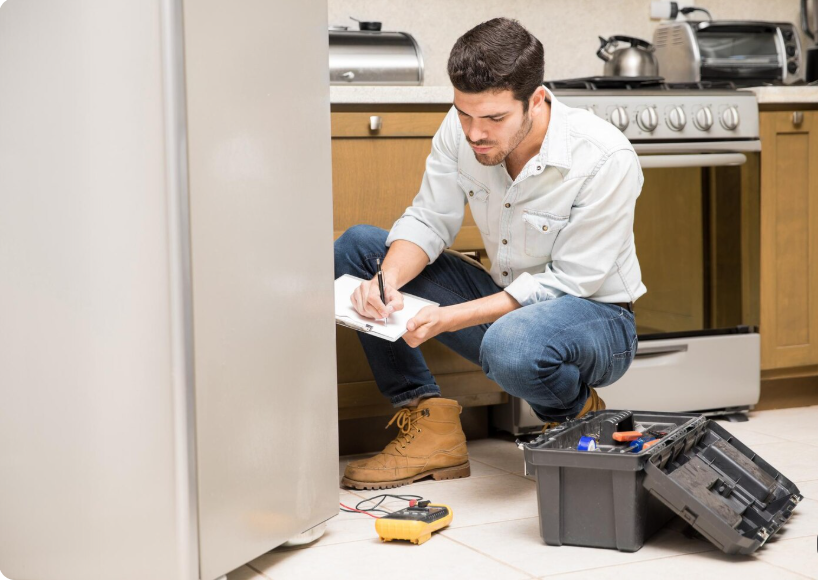
Unexpected home repairs can happen at any time. A broken door lock, damaged cabinet, leaking fixture, loose railing, or sudden property maintenance issue can disrupt your daily routine and create unnecessary stress. When a problem needs immediate attention, finding a reliable professional becomes a priority. An emergency handyman can help address urgent household repairs, restore functionality, and prevent certain minor problems from becoming more serious.
Whether you are dealing with a damaged door, a broken window latch, a loose handrail, or an unexpected maintenance issue, professional handyman services can provide practical solutions. The key is understanding which problems require immediate assistance, what services a handyman can perform, and when a licensed specialist is necessary.
This guide explains common emergency handyman services, their benefits, potential costs, and how to choose a trustworthy professional when time matters.
What Is an Emergency Handyman?
An emergency handyman is a home maintenance professional who responds to urgent repair requests, often outside standard business hours. Depending on the provider, emergency services may be available during evenings, weekends, holidays, or other times when regular appointments are difficult to arrange.
These professionals typically handle smaller repairs that require prompt attention but do not necessarily involve major construction.
Examples include repairing damaged door hardware, securing loose fixtures, fixing certain minor plumbing problems, restoring the function of cabinets, and addressing other household maintenance issues.
However, not every emergency is suitable for a handyman. Serious electrical faults, major plumbing failures, gas leaks, structural damage, and other hazardous situations may require emergency services or licensed specialists.
Common Reasons to Call an Emergency Handyman
- A door or gate has become difficult to secure.
- A cabinet door, drawer, or household fixture has broken.
- A handrail or other nonstructural fitting has become loose.
- A minor plumbing fixture needs urgent attention.
- A window latch or interior door mechanism is damaged.
- A broken household fitting creates a safety concern.
- An urgent rental property repair needs assessment.
- A small maintenance problem is interfering with daily activities.
Before booking a service, explain the problem clearly and ask whether the professional is equipped and qualified to handle it.
Common Emergency Handyman Services
Emergency handyman providers offer different services depending on their experience, equipment, and qualifications. Understanding the most common options can help you determine whether a handyman is the right choice.
1. Emergency Door and Lock Repairs
A damaged door or faulty lock can create security concerns, particularly when an exterior entrance cannot close or lock properly.
A handyman may be able to repair loose hinges, adjust a misaligned door, tighten hardware, replace suitable handles, or repair minor frame damage.
If the problem involves a specialized security lock, electronic access system, or a locked-out situation, a locksmith may be more appropriate.
When contacting a professional, explain whether the door is stuck, damaged, unable to close, or unable to lock. This information helps the provider assess the tools and expertise required.
2. Minor Plumbing Repairs
Some handyman services address minor plumbing maintenance, depending on local regulations and the professional’s qualifications.
Possible tasks include replacing a suitable faucet component, tightening accessible fittings, or addressing a small leak that does not require extensive plumbing work.
If water is leaking, shut off the relevant fixture valve or main water supply if it is safe to do so. Move belongings away from the affected area and avoid using nearby electrical equipment if water is present.
Major pipe failures, sewage backups, flooding, and hidden leaks generally require a qualified plumber or emergency water-damage professional.
3. Emergency Carpentry Repairs
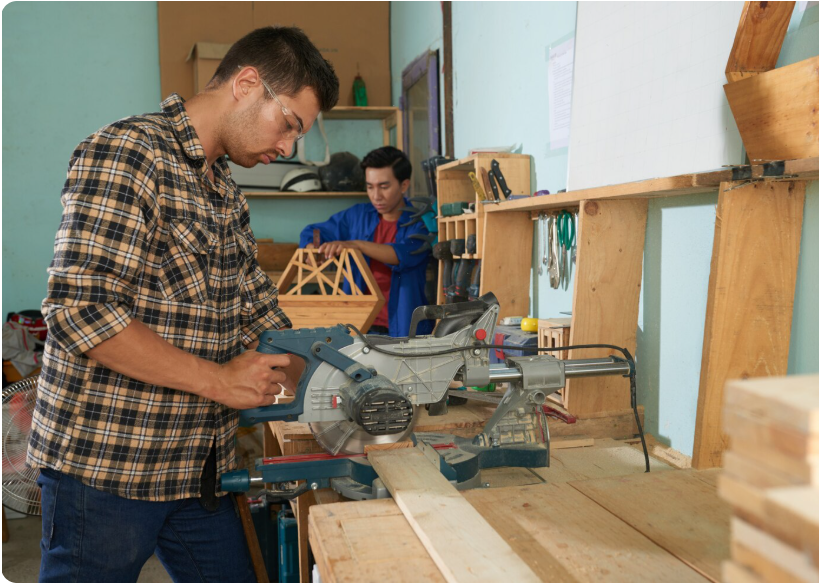
Wooden doors, cabinets, shelves, furniture, and trim can become damaged unexpectedly. Broken hinges, loose cabinet doors, and unstable furniture may need prompt attention.
A handyman with carpentry experience can assess the damage, tighten suitable fittings, replace minor components, and restore functionality where practical.
If a damaged wooden structure supports significant weight or forms part of the building’s structural system, consult a qualified contractor rather than relying on a routine handyman repair.
4. Furniture and Fixture Repairs
Broken furniture can create inconvenience and, in some cases, a safety risk. A handyman may be able to repair loose table legs, tighten chair joints, replace drawer slides, or reassemble damaged storage units.
Wall-mounted shelves and cabinets also require attention when fasteners become loose. Heavy fixtures should not be used until they have been inspected and securely reattached.
5. Window and Screen Repairs
A damaged window latch, loose screen, or minor fitting problem may be suitable for emergency handyman assistance.
However, shattered glass, unstable window frames, and broken exterior glazing can pose serious hazards. Keep people away from the damaged area and contact a qualified glazier or emergency boarding service when necessary.
Never attempt to handle large broken glass pieces without appropriate training and protective equipment.
6. Rental Property Maintenance
Landlords and property managers often need quick repairs to keep rental homes functional and safe.
An emergency handyman may assist with damaged cabinet hardware, broken interior doors, minor fixture problems, and other suitable maintenance tasks.
For rental properties, document the problem, communicate with the tenant, and confirm authorization before arranging work. Urgent hazards should be handled according to applicable housing rules and safety requirements.
When Should You Call an Emergency Handyman?
Not every repair needs an emergency appointment. Understanding the difference between an urgent maintenance issue and a serious hazard can help you choose the right response.
Situations That May Need Prompt Handyman Assistance
- An exterior door will not close correctly because of damaged hardware.
- A cabinet or shelf has become unstable.
- A broken interior door prevents normal use of a room.
- A minor fixture failure requires prompt repair.
- A loose nonstructural handrail needs attention.
- A household fitting has broken and cannot be used safely.
Situations That Require a Specialist or Emergency Service

Some problems should not be handled as ordinary handyman jobs.
- Gas leak: Leave the affected area and contact the appropriate gas emergency service. Avoid flames and electrical switches.
- Fire or smoke: Evacuate and call emergency services.
- Electrical sparking or exposed live wiring: Keep away from the hazard and contact a qualified electrician or emergency service.
- Major flooding: Shut off the water supply if safe, avoid wet electrical areas, and contact an emergency plumber.
- Structural damage: Keep people away from potentially unstable areas and contact an appropriately qualified building professional.
- Broken exterior glass: Keep people clear and arrange qualified glazing or emergency securing services.
If anyone is in immediate danger, contact local emergency services before arranging routine property repairs.
Benefits of Hiring an Emergency Handyman
Hiring a suitable professional can help homeowners manage urgent repairs more efficiently.
Faster Response to Household Problems
Emergency providers may offer same-day appointments or after-hours availability. Actual response times depend on location, workload, weather, and the nature of the problem.
When calling, describe the issue and ask for an estimated arrival time rather than assuming immediate availability.
Reduced Risk of Further Damage
A prompt repair may prevent a minor problem from getting worse. For example, securing a damaged cabinet or addressing a suitable small leak can help reduce inconvenience and protect nearby belongings.
The correct response depends on the underlying cause, so avoid covering up damage before it has been properly assessed.
Improved Home Safety
Loose fittings, damaged doors, and unstable furniture can create hazards. A qualified professional can assess suitable repairs and help restore safe use.
If the problem affects a load-bearing structure or an essential safety system, a specialist may be required.
Convenience Outside Regular Hours
Some emergency handyman companies operate during evenings, weekends, and holidays. This can be particularly useful when a repair cannot reasonably wait until the next business day.
Always confirm service hours, emergency charges, and availability before authorizing work.
Support for Landlords and Property Managers
Emergency maintenance can help property managers address tenant concerns and reduce disruption. A reliable provider can also document completed work and identify repairs that require additional specialists.
How Much Does an Emergency Handyman Cost?
Emergency handyman pricing depends on the repair, location, time of day, materials, and professional experience. Some providers charge an hourly rate, while others use fixed prices for specific jobs.
Emergency appointments may involve a call-out fee, minimum booking charge, after-hours surcharge, or additional material costs.
Factors That Affect Emergency Repair Pricing
Type of repair: A simple hardware adjustment generally involves less work than repairing damaged framing or replacing several fixtures.
Time of service: Evening, weekend, and holiday appointments may cost more than standard business-hour visits.
Materials and replacement parts: The availability and price of suitable components can affect the final amount.
Travel distance: Some providers charge additional fees for travel outside their usual service area.
Complexity: Hidden damage, difficult access, or unexpected complications may increase labor requirements.
Specialist requirements: If the repair requires an electrician, plumber, locksmith, or other specialist, the overall cost may change.
Comparing Common Emergency Pricing Methods
| Pricing Method | How It Works | What to Confirm |
|---|---|---|
| Call-out fee | A charge for attending the property | Whether it includes inspection |
| Hourly rate | Payment based on labor time | Minimum billable time |
| Fixed repair price | An agreed amount for a defined task | Materials and finishing included |
| After-hours surcharge | Additional fee for nonstandard hours | Exact surcharge amount |
| Parts and labor | Materials and labor are billed separately | Parts pricing and approval process |
Ask for an estimate before work begins whenever circumstances permit. Confirm whether the quote includes materials, travel, taxes, and any emergency charges.
How to Find a Reliable Emergency Handyman Near You
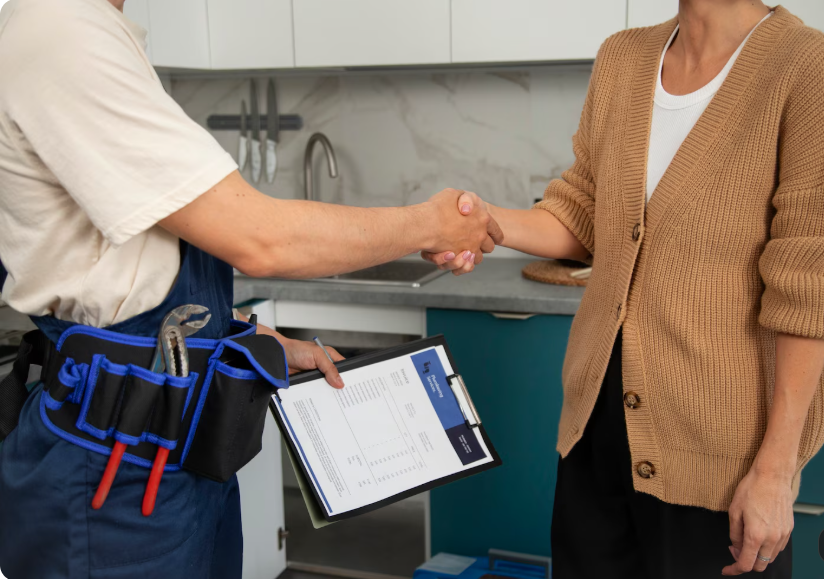
Finding someone quickly is important, but reliability and safety should remain priorities.
1. Search for Relevant Services
Look for providers who specifically advertise emergency handyman or urgent home repair services in your area.
Read their service descriptions to confirm that they handle the type of repair you need. A professional who specializes in carpentry may not be suitable for an urgent plumbing problem.
2. Check Reviews and References
Customer feedback can help you assess communication, punctuality, pricing transparency, and workmanship.
Look for consistent patterns across multiple reviews instead of relying on a single rating. If possible, ask neighbors or property managers for recommendations.
3. Confirm Qualifications and Insurance
Ask whether the professional has relevant experience and any required licenses, registrations, or insurance.
For regulated trades, such as electrical or plumbing work, verify that the person performing the task has the appropriate qualifications for your location.
4. Ask About Arrival Time and Fees
Explain the issue and request an estimated arrival window, call-out charge, and expected pricing method.
If the problem may require replacement parts, ask whether the professional can bring common components or whether another visit might be necessary.
5. Get Clear Approval Before Work Begins
Ask the professional to explain the proposed repair and any likely additional expenses.
For larger or more complicated jobs, request a written estimate and confirm what happens if hidden damage is discovered. Keep a record of the agreed price and work scope.
What to Do Before the Emergency Handyman Arrives
A few simple steps can help protect your home and make the repair process more efficient.
- Describe the problem accurately: Explain when it started and what has changed.
- Take photographs if safe: Pictures may help the professional understand the issue before arrival.
- Protect nearby belongings: Move furniture and valuables away from the affected area if it is safe.
- Shut off utilities when appropriate: Turn off the relevant water supply if a leak occurs and it is safe to access.
- Keep people away from hazards: Restrict access to broken glass, unstable fixtures, and damaged areas.
- Provide clear access: Unlock safe entry points and identify the location of the problem.
- Secure pets and children: Keep them away from tools and repair work.
- Prepare relevant information: Share details about previous repairs, product models, or warranties if available.
Do not attempt a repair that involves live electrical equipment, gas, unstable structures, or other dangerous conditions simply to save time.
Emergency Handyman Services for Different Property Types
Residential Homes
Homeowners commonly request urgent assistance for damaged doors, broken fixtures, minor carpentry issues, and suitable small maintenance problems.
A trusted service provider can also identify whether a repair requires follow-up work by a specialist.
Apartments and Condominiums
Apartment repairs may involve limited access, shared building systems, or restrictions imposed by property management.
Before arranging work, determine whether the issue affects a shared pipe, exterior wall, common area, or building-controlled system. Notify the appropriate management team when necessary.
Rental Properties
Landlords and property managers benefit from having a clear process for reporting and prioritizing repairs.
Keep contact information for qualified tradespeople, document tenant reports, and maintain records of completed work. Follow local requirements for urgent repairs and tenant safety.
Small Commercial Properties
Offices, retail spaces, and other small businesses may need prompt repairs to doors, cabinets, shelving, and noncritical fixtures.
Work involving fire protection, emergency exits, commercial electrical systems, or other regulated installations should be handled by appropriately qualified professionals.
Frequently Asked Questions
1. What does an emergency handyman do?
An emergency handyman handles urgent household repairs such as damaged doors, loose fixtures, minor carpentry problems, furniture repairs, and certain minor plumbing tasks. Available services depend on the professional’s qualifications and local regulations.
2. How quickly can an emergency handyman arrive?
Response times vary according to location, availability, time of day, and the severity of the problem. Some providers offer same-day or after-hours appointments. Ask for an estimated arrival window when booking.
3. Does an emergency handyman charge extra?
Many providers charge emergency call-out fees or higher rates for evenings, weekends, and holidays. Ask about the complete pricing structure, including labor, travel, materials, and minimum charges, before approving the work.
4. Can an emergency handyman fix plumbing or electrical problems?
Some handymen can handle limited maintenance tasks if they are qualified and local rules permit it. Major leaks, electrical faults, gas issues, and other hazardous problems require the appropriate specialist or emergency service.
5. How can I choose a trustworthy emergency handyman?
Check reviews, relevant experience, required qualifications, insurance, and pricing transparency. Confirm the arrival time, request an estimate, and agree on the work before it begins. For regulated or hazardous repairs, choose an appropriately qualified specialist.
| Read more:Laminate Flooring vs LVP: |
1 Comment
[…] Read more: emergency handyman: Fast and […]