
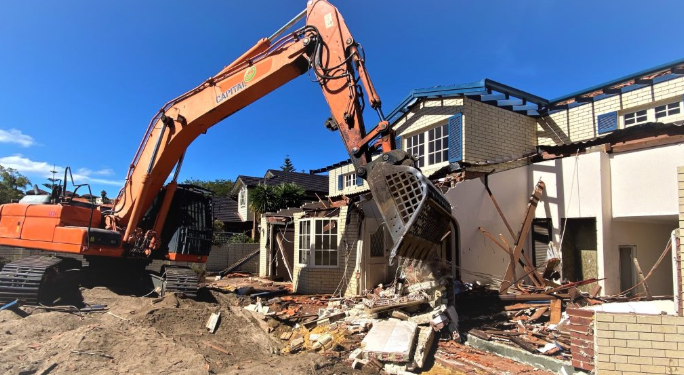
There is a version of the knockdown rebuild process that goes smoothly, moves to programme, and produces a cleared site ready for construction without drama. There is another version where a stop-work order arrives mid-project, where asbestos is discovered after the excavator has already started, where a neighbour produces photographs of cracking that may or may not predate the demolition, and where utility disconnections assumed to be complete turn out not to be. The difference between these two versions is almost entirely determined before the machinery arrives on site.Demolition in Gold Coast is specific enough in its regulatory, environmental, and logistical demands that generic preparation genuinely does not cover it.
Asbestos Assessment Is Not the Contractor’s Job
The most expensive surprises come from this detail. Homeowners often expect demolition contractors to discover and manage asbestos. A few do. Not many do, and those that do aren’t usually clear about the line until it matters. A qualified assessor should be hired by the owner before hiring a contractor to document the location, type, and condition of all asbestos-containing items. Friable asbestos becomes airborne when disturbed, requiring certified removal under conditions that normal demolition workers cannot manage. Once demolition has begun, finding friable asbestos is a regulatory event with major ramifications, not just a temporary annoyance.
Heritage Overlays Exist Where Owners Least Expect
Gold Coast property owners frequently assume heritage and character designation applies only to obviously historic buildings or well-known streetscapes. The reality is considerably more distributed. The City of Gold Coast’s planning scheme applies character residential designation across suburbs and street frontages that owners rarely anticipate, and a structure that appears to carry no heritage significance may sit within a planning overlay that triggers additional assessment requirements before demolition approval is granted. Demolition in Gold Coast that proceeds on the assumption that approval is straightforward — without a town planner confirming the overlay situation first — occasionally discovers mid-application that the timeline has extended well beyond what the project programme assumed. That extension does not pause holding costs or construction contracts waiting on the cleared site.
Vegetation Management Runs on a Separate Track
Significant trees on a Gold Coast demolition site are assessed under Queensland’s vegetation management framework independently of the demolition approval itself. A tree sitting within or adjacent to the demolition footprint may be protected under local law regardless of what the demolition permit says, and removing it without separate approval creates a compliance breach that the demolition permit does not excuse. The practical consequence is that owners who programme for a fully cleared site by a specific date sometimes find the structure can be removed on schedule, but the vegetation cannot — because the tree assessment process runs to its own timeline with its own outcome that no amount of project urgency accelerates.
Dilapidation Reports Prevent Unresolvable Disputes
Gold Coast suburban blocks sit close together. Footings occasionally share boundary proximity. Vibration from excavation equipment travels through soil in ways that affect neighbouring structures unpredictably. When a neighbour reports cracking after demolition activity — cracking that may have existed for years beforehand — the absence of a pre-demolition dilapidation report leaves the situation genuinely unresolvable. Demolition in Gold Coast on standard suburban lots without an independent photographic and written record of neighbouring property conditions before work begins is a risk that experienced contractors flag consistently, and inexperienced ones rarely mention until a dispute makes it relevant.
Underground Surprises Are Documented Reality
Older Gold Coast residential sites carry a history not always visible at the surface level. Decommissioned underground tanks from previous fuel storage systems, buried construction waste from earlier builds, and imported fill material of unknown origin are all documented occurrences across the region. Sites with any prior commercial or light industrial use carry a meaningfully higher likelihood of subsurface contamination that triggers Queensland’s environmental framework when disturbed during excavation. A basic desktop review of the land’s recorded use history before demolition begins costs very little relative to discovering a contamination issue once machinery is already in the ground.
Conclusion
Demolition in Gold Coast, done properly, is a sequenced process where regulatory, environmental, and logistical preparation precedes physical work entirely. Asbestos assessment, overlay confirmation, vegetation management, dilapidation documentation, and historical land use review are not optional additions for cautious owners. They are the steps that separate a project clearing the site cleanly from one generating its own complications before construction has even started. Owners who treat preparation as the project’s first phase rather than an administrative hurdle consistently reach the construction stage without the delays that catch others off guard.