
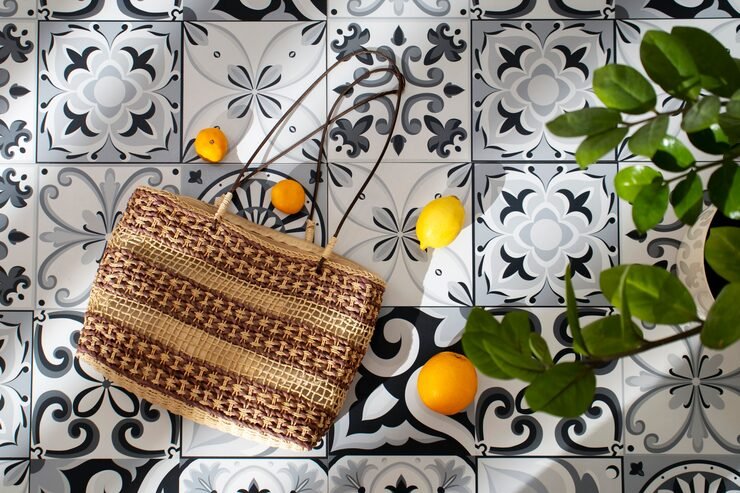
Choosing the right tile can dramatically change the personality of a room. mid century modern tile is especially popular among homeowners who appreciate clean lines, geometric patterns, warm colors, natural materials, and a balance between simplicity and visual character. Inspired by design trends that became prominent during the middle of the 20th century, this tile style can work beautifully in bathrooms, kitchens, entryways, living spaces, and even outdoor areas. The key is to combine distinctive shapes and colors with a clean overall layout rather than making the room feel overly decorated.
What Is Mid Century Modern Tile?
Mid-century modern design is associated with functional forms, simple construction, organic influences, and carefully selected colors. Tile used in this style often reflects those same principles.
Rather than relying on excessive ornamentation, mid-century-inspired tile designs typically emphasize:
- Geometric shapes
- Simple layouts
- Warm or earthy colors
- Muted tones
- Organic textures
- Clean grout lines
- Terrazzo-inspired surfaces
- Small-format tiles
- Bold but controlled patterns
The goal is usually to create visual interest without overwhelming the architecture of the room.
A tile installation can feel mid-century modern because of its color, shape, pattern, material, or combination of these elements.
Characteristics of Mid-Century Tile Design
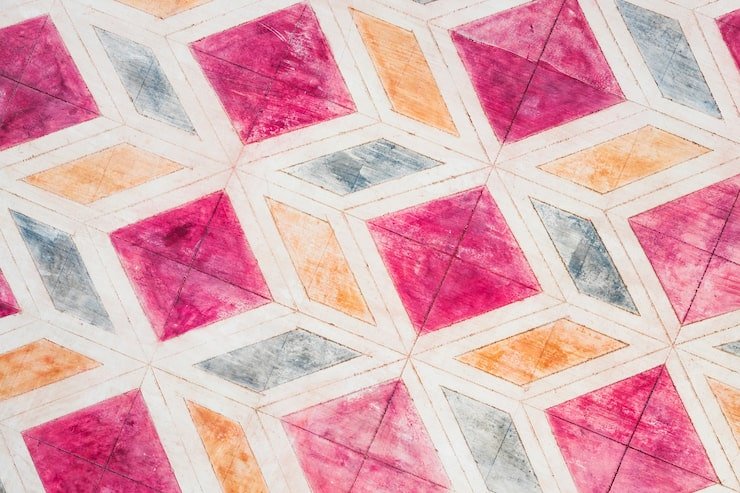
Understanding the main characteristics makes it easier to choose appropriate tile for a renovation.
Geometric Shapes
Squares, rectangles, hexagons, circles, diamonds, triangles, and other geometric forms can work well with mid-century-inspired interiors.
Simple shapes are particularly effective because they create pattern without requiring elaborate decoration.
Warm and Earthy Colors
Color is one of the strongest ways to establish a mid-century atmosphere.
Popular choices include:
- Mustard yellow
- Olive green
- Avocado-inspired green
- Burnt orange
- Terracotta
- Brown
- Beige
- Cream
- Rust
- Warm gray
- Deep blue
These colors can be used individually or combined with neutral tones.
Organic Influences
Mid-century design often balances geometric architecture with natural influences. Tile that resembles stone, terrazzo, wood, or other natural materials can help create this connection.
Repetition and Rhythm
Repeated geometric patterns can add personality while maintaining a structured appearance. Repetition is especially effective on backsplashes, shower walls, and floors.
Popular Tile Shapes
The shape of the tile can be just as important as its color.
Square Tile
Square tiles are simple and versatile. A small square tile can create a classic retro appearance, while a larger square tile can produce a more contemporary interpretation.
Rectangular Tile
Rectangular tiles can be arranged horizontally, vertically, stacked, or in other patterns. A narrow rectangular tile can introduce a subtle vintage character.
Hexagonal Tile
Hexagons are strongly associated with vintage and geometric interiors. They can be used on floors, walls, shower areas, or backsplashes.
Terrazzo-Style Tile
Terrazzo-inspired tile can combine multiple colors and aggregate-like patterns, creating a distinctive surface without requiring traditional poured terrazzo.
Geometric Mosaic
Small mosaic pieces can be arranged into repeating shapes, lines, or abstract patterns.
Popular Mid-Century Tile Color Combinations
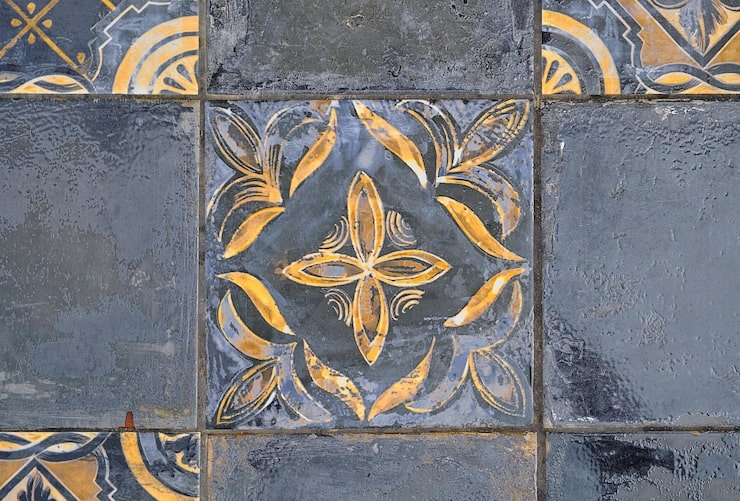
Color combinations should be selected carefully because mid-century interiors can become visually heavy when too many strong colors are used together.
| Primary Color | Complementary Color | Neutral | Overall Effect |
|---|---|---|---|
| Olive green | Mustard | Cream | Warm and retro |
| Terracotta | Beige | White | Earthy and inviting |
| Mustard | Brown | Cream | Classic and warm |
| Burnt orange | Olive | Off-white | Bold and vintage |
| Deep blue | Tan | Warm white | Sophisticated |
| Rust | Sage | Beige | Organic and relaxed |
| Brown | Orange | Cream | Rich and traditional |
A good approach is to select one dominant color, one supporting color, and a neutral background.
Mid-Century Tile for Bathrooms
Bathrooms are one of the easiest places to introduce this design style.
A bathroom can use geometric floor tile combined with simple wall tile and vintage-inspired fixtures.
For example, a bathroom could feature:
- Small geometric floor tiles
- Cream wall tiles
- Olive or mustard accents
- Warm wood cabinetry
- Brass or bronze hardware
- Rounded mirrors
- Simple lighting
The tile does not need to cover every surface. Using it selectively can create a stronger visual effect.
Shower Walls
A geometric or colorful tile can turn the shower into a focal point.
For a restrained look, use a bold tile on one wall and keep the remaining surfaces neutral.
Bathroom Floors
Patterned floor tile can create visual interest while allowing the walls to remain simple.
Small-format geometric tiles are particularly useful when the goal is to create a retro-inspired appearance.
Mid-Century Tile for Kitchens
The kitchen offers several opportunities for introducing mid-century character.
Backsplash
A backsplash is one of the easiest areas to experiment with color and pattern.
Consider a simple square, rectangular, or geometric tile in a warm color. Pair it with wood cabinetry and understated countertops.
Kitchen Floor
Floor tile can create a stronger statement. Terrazzo-style designs, geometric patterns, and warm neutral tiles can work especially well.
Accent Areas
Tile can also be used behind open shelving, around a range, or in a breakfast nook.
The key is maintaining visual balance.
Choosing Tile for a Mid-Century Kitchen
Cabinet material should be considered alongside the tile.
Warm natural wood cabinets pair particularly well with earthy tile colors. Light wood can balance darker tile, while walnut-inspired cabinetry can complement cream, terracotta, olive, or muted geometric patterns.
If the cabinets already have a strong wood grain, a simpler tile may create a more cohesive result.
Flooring Options
Floor tile has a major influence on the overall atmosphere of a room.
Common options include:
- Porcelain tile
- Ceramic tile
- Natural stone
- Terrazzo
- Cement-style tile
- Mosaic tile
Porcelain and ceramic are practical choices for many areas because they are available in numerous colors, patterns, and finishes.
Natural stone can provide an organic appearance, although it may require more maintenance depending on the material.
Choosing Between Ceramic and Porcelain
Ceramic and porcelain tiles are both common choices for residential interiors, but they have different characteristics.
Porcelain is generally denser and less porous than standard ceramic tile. This can make it a practical option for floors and moisture-prone spaces.
Ceramic tile can offer a wide range of colors and decorative designs and may be suitable for walls and many residential applications.
The appropriate choice depends on location, expected traffic, moisture exposure, installation requirements, and product specifications.
How Grout Changes the Appearance
Grout is often overlooked, but it can significantly change the visual impact of tile.
A contrasting grout color makes individual tiles more noticeable and emphasizes the pattern.
A matching grout color creates a more unified appearance.
For example:
- Dark grout with cream tile emphasizes the geometric layout.
- Warm beige grout creates a softer appearance.
- White grout with light tile creates a clean, subtle look.
- Olive or brown grout can reinforce an earthy color palette.
The right grout should complement both the tile and the overall design.
Tile Patterns to Consider
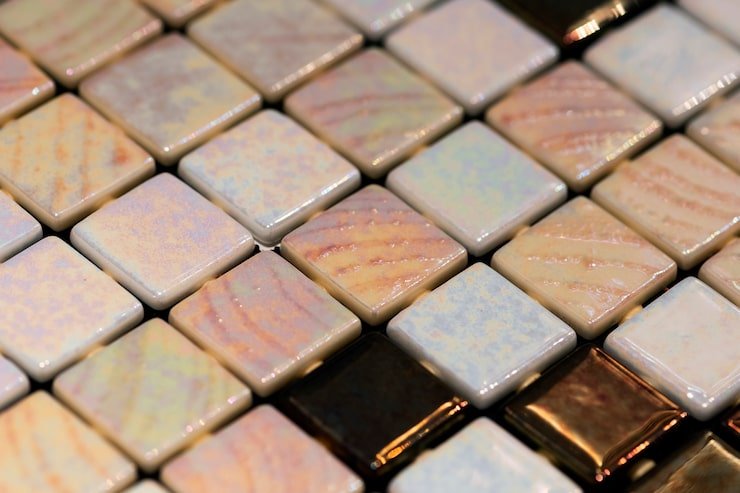
The same tile can look completely different depending on how it is installed.
Grid Pattern
A straightforward grid provides a clean appearance and allows color and shape to become the main design features.
Offset Pattern
An offset arrangement adds movement while remaining relatively simple.
Stack Bond
Stacked rectangular tiles can create a more modern interpretation of traditional tile.
Herringbone
A herringbone arrangement introduces directional movement and works particularly well with rectangular tiles.
Geometric Pattern
Multiple shapes or colors can be combined to create a stronger retro effect.
When selecting a complex pattern, consider the size of the room and surrounding materials.
Using Tile in Small Spaces
Small bathrooms and kitchens can benefit from carefully selected tile.
Large amounts of pattern can make a small room feel busy, so consider using one statement surface.
For example, use a patterned floor with simple walls, or a colorful backsplash with neutral flooring.
Light-colored tile can also help reflect light and make the space feel more open.
Mid-Century Tile and Wood
Wood and tile are natural partners in mid-century-inspired interiors.
Warm wood cabinetry, shelving, furniture, or ceiling elements can soften geometric tile.
A room with patterned tile and natural wood can achieve a balanced look because the organic texture of the wood contrasts with the structured geometry of the tile.
Walnut, oak, teak-inspired finishes, and other warm wood tones can work particularly well.
Combining Vintage and Modern Elements
A mid-century-inspired room does not need to look like a historical reproduction.
One of the most effective approaches is to combine vintage-inspired tile with modern fixtures and contemporary construction.
For example:
- Retro tile
- Modern plumbing fixtures
- Simple contemporary vanity
- Modern lighting
- Minimal hardware
- Natural wood accents
This creates a design that feels inspired by the past while remaining suitable for modern living.
How to Choose the Right Tile
Start by identifying the room’s overall style.
Then consider:
- Desired color palette
- Tile shape
- Pattern
- Surface texture
- Room size
- Lighting
- Cabinet color
- Countertop material
- Grout color
- Maintenance requirements
Request physical samples whenever possible. Tile can look very different under warm indoor lighting compared with bright showroom lighting.
Common Mistakes to Avoid
Using Too Many Colors
Mid-century design can include bold colors, but combining too many strong colors may make the space feel chaotic.
Overusing Patterns
A patterned floor and patterned backsplash may compete with each other. Usually, one major pattern can serve as the focal point.
Ignoring Grout
Grout can either reinforce or soften the tile pattern. Treat it as part of the design.
Forgetting Maintenance
Some textured and natural materials can require more cleaning or sealing than smooth porcelain or ceramic surfaces.
Choosing Trends Without Considering Longevity
A tile should work with the home rather than simply following a temporary trend.
Maintenance and Cleaning
Tile maintenance depends on the material, surface, and grout.
Routine care generally includes removing dirt promptly and using cleaning products appropriate for the tile.
Grout deserves particular attention because it can collect dirt and discolor over time.
Natural stone may require additional care or periodic sealing depending on the specific material.
Always follow the tile and grout manufacturer’s recommendations rather than using harsh chemicals without checking compatibility.
Key Points to Remember
- Mid-century-inspired tile emphasizes clean geometry, warm colors, and functional design.
- Square, rectangular, hexagonal, mosaic, and terrazzo-style tiles can all work well.
- Earthy colors such as olive, terracotta, mustard, brown, and cream are effective choices.
- Natural wood can balance colorful or geometric tile.
- A single statement surface can create a strong focal point.
- Grout color can significantly change the final appearance.
- Ceramic and porcelain offer many practical options for residential spaces.
- Tile patterns should be selected according to room size and surrounding materials.
- Physical samples are useful when evaluating colors and textures.
- Combining vintage-inspired tile with modern fixtures can create a balanced contemporary interior.
- Maintenance requirements should be considered before selecting the material.
Final Thoughts
The appeal of mid-century-inspired tile comes from its ability to combine simple geometry with warmth, color, and personality. Instead of relying on excessive decoration, it uses carefully selected materials and patterns to create a distinctive environment.
Whether you are remodeling a bathroom, updating a kitchen, designing an entryway, or refreshing a living space, tile can become an important part of the overall design. Start with the room’s existing architecture, select a manageable color palette, and decide whether the tile will be a subtle background or a major focal point.
The most successful designs usually maintain balance. Pair bold patterns with neutral surfaces, colorful tile with natural wood, and geometric shapes with simple furniture and fixtures. With thoughtful planning, this timeless design approach can create a room that feels both nostalgic and contemporary.
Frequently Asked Questions
1. What colors work best with mid-century-inspired tile?
Warm and earthy colors such as olive green, mustard, terracotta, burnt orange, brown, cream, beige, and muted blue can work well. Neutral colors can be used to balance stronger accent shades.
2. Is geometric tile suitable for a small bathroom?
Yes. Geometric tile can work well in a small bathroom when used strategically. Consider using a single patterned surface and keeping the remaining walls or fixtures relatively simple.
3. Can mid-century tile be used in a modern home?
Absolutely. Combining vintage-inspired tile with contemporary fixtures, lighting, cabinetry, and hardware can create a balanced look that feels both modern and nostalgic.
4. What type of tile is best for a mid-century-style kitchen?
Ceramic, porcelain, terrazzo-style, mosaic, and natural stone options can all work. The best choice depends on the location, desired appearance, durability requirements, and maintenance preferences.
5. How can I make a tile design feel more authentic without making the room look outdated?
Use characteristic mid-century colors, geometric shapes, and natural wood while keeping the overall layout simple. Pair vintage-inspired tile with modern fixtures and contemporary conveniences to create a fresh interpretation of the style.
| Read more: Executive Desk with Hutch: |