
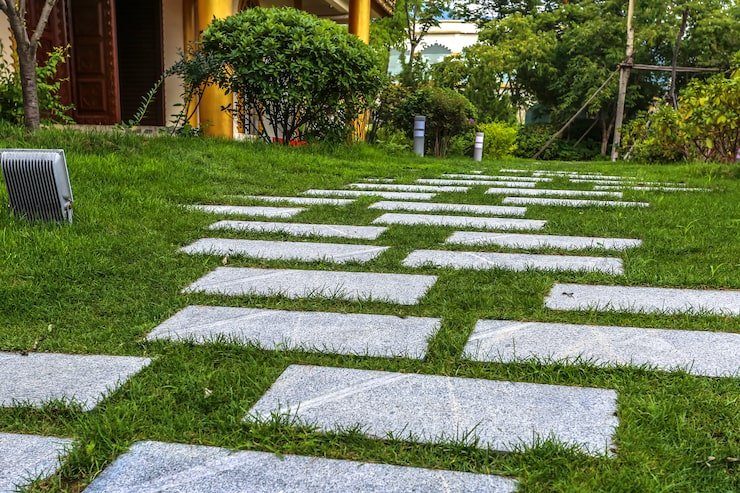
A well-designed path gravel surface can transform a garden, yard, driveway edge, or rural property into a practical and attractive outdoor area. Gravel is affordable, relatively easy to install, and available in many sizes, colors, and textures. However, choosing the right aggregate and preparing the ground properly are essential for creating a surface that remains stable, drains well, and looks attractive over time. Whether you are planning a simple garden walkway or a frequently used access route, understanding materials, installation methods, drainage, edging, and maintenance will help you achieve better results.
What Makes Gravel a Good Choice for Outdoor Paths?
Gravel is one of the most versatile materials for creating informal and semi-formal outdoor walkways. Unlike concrete or paving slabs, loose aggregate can be installed without extensive specialist equipment. It also provides excellent drainage, which makes it particularly useful in areas where rainwater tends to collect.
Another advantage is design flexibility. Gravel can complement gardens, lawns, patios, stone walls, wooden structures, and natural landscapes. Light-colored stone can create a bright, clean appearance, while darker aggregate can provide a more contemporary look.
The material is also relatively easy to repair. If an area becomes thin or develops a depression, additional stone can usually be added without replacing an entire section.
Main Benefits
Some of the most important advantages include:
- Lower installation costs than many solid paving materials
- Good natural drainage
- Wide selection of colors, sizes, and textures
- Simple installation for many residential projects
- Easy repair and topping up
- Suitable for curved and irregular designs
- Natural appearance that works well with gardens
- Reduced risk of large surface cracks compared with rigid paving
Gravel is not perfect for every situation, though. Loose stone can move under heavy foot traffic, wheels, or rain if the base has not been prepared correctly. Very small stones may also become muddy, while large rounded stones can be uncomfortable to walk across.
Choosing the Right Material
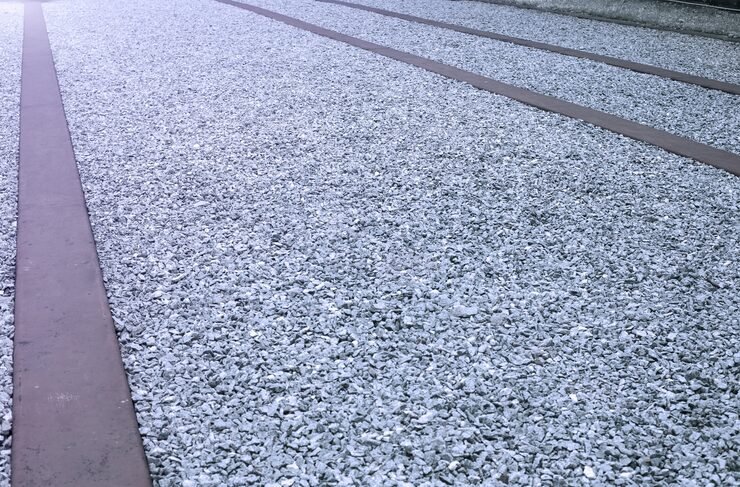
The type of aggregate you select has a major effect on how comfortable, stable, and attractive the finished walkway will be. Gravel is available in different sizes and shapes, and these characteristics determine how well the pieces lock together.
Angular crushed stone generally provides better stability because its irregular edges interlock. Rounded pebbles can look attractive but are more likely to shift underfoot.
For a pedestrian walkway, a compactable mixture containing smaller particles can often provide a firmer surface. Decorative stone can then be added as a finishing layer.
Common Material Options
| Material type | Main characteristic | Best suited for |
|---|---|---|
| Crushed stone | Angular and stable | Walkways and frequently used areas |
| Pea gravel | Small and rounded | Decorative garden paths |
| Decomposed granite | Fine and compactable | Natural-looking walkways |
| River rock | Smooth and rounded | Borders and decorative areas |
| Limestone aggregate | Durable and practical | Paths and utility areas |
| Decorative stone | Wide range of colors | Landscaping and visual features |
When selecting a material, consider more than appearance. Think about drainage, walking comfort, maintenance requirements, local weather, and whether people will be pushing strollers, bicycles, carts, or other equipment across the surface.
Planning the Layout Before Installation
Good planning can prevent many problems later. Start by deciding where the walkway needs to lead and how frequently it will be used.
A garden path used occasionally can be narrower than a main route between a driveway and front door. A heavily used walkway should generally have enough width for comfortable movement, especially if two people may need to pass each other.
Mark the proposed route using stakes, string, landscape paint, or a garden hose. Curved lines can be especially effective in gardens because they create a softer transition between planting areas.
Consider Drainage and Slope
Water is one of the biggest threats to a poorly constructed gravel surface. If rainwater remains trapped beneath the aggregate, the foundation can weaken and the surface may develop ruts or depressions.
Where possible, the finished surface should allow water to move away naturally. A slight cross slope can encourage drainage without being uncomfortable to walk on.
Avoid placing the route directly in a natural low point unless drainage has been carefully planned. If water consistently crosses the walkway, a channel drain, shallow swale, or other drainage solution may be necessary.
Preparing the Ground Properly
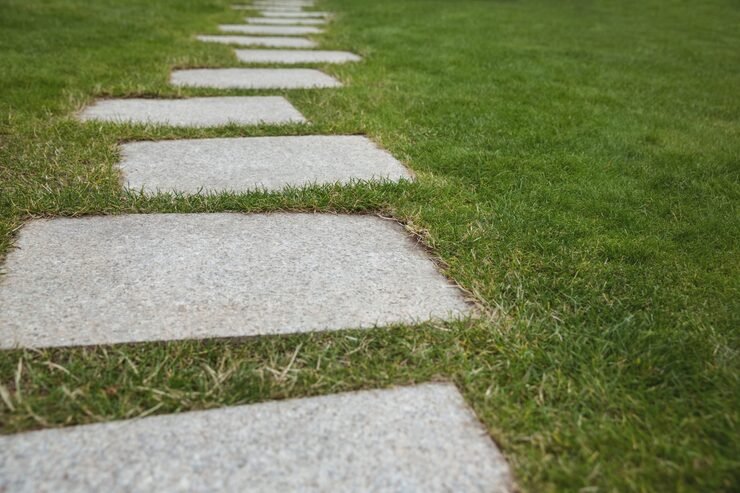
The foundation is one of the most important parts of the project. Simply spreading stone over grass or loose soil may look acceptable at first, but the surface is likely to become uneven as the ground settles.
Begin by removing vegetation, roots, and unsuitable soil from the marked area. The depth required depends on the soil, intended use, and local conditions.
For a typical pedestrian walkway, excavation may need to be several inches deep. Soft clay soil or areas with poor drainage may require additional preparation.
Build a Stable Base
A strong base usually consists of compactable aggregate placed in layers. Each layer should be compacted before the next is added.
A typical installation may include:
- Prepared and leveled soil
- Geotextile fabric where appropriate
- Compacted base aggregate
- Fine leveling material if needed
- Decorative or finished surface stone
The exact construction should be adapted to local soil conditions and expected traffic. A garden walkway does not necessarily require the same foundation as a vehicle-access route.
Compaction is especially important. Using a plate compactor or suitable hand tamper helps reduce future settlement and movement.
The Role of Landscape Fabric
Landscape fabric is sometimes installed beneath loose aggregate to separate the stone from the soil. It can help prevent the gravel from gradually mixing into soft ground and may reduce weed growth.
However, fabric is not a replacement for proper excavation and drainage. If the underlying soil is unstable, simply placing fabric over it will not create a strong foundation.
Choose a durable geotextile product designed for ground separation when fabric is appropriate. Avoid relying on thin plastic sheets that can tear easily or interfere with drainage.
Installing Edging for Better Stability
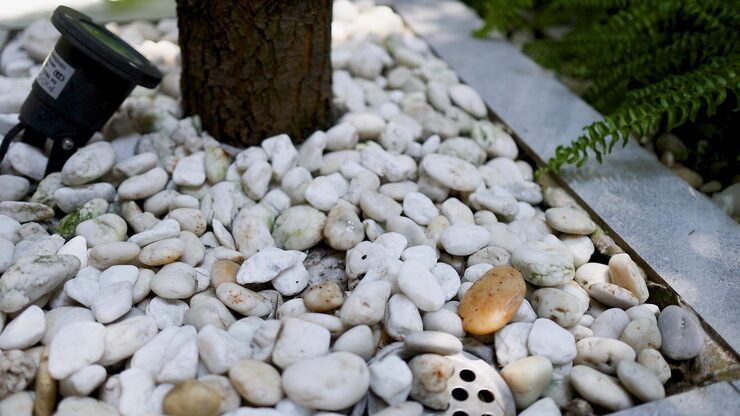
Edging is not mandatory for every informal walkway, but it can significantly improve the finished appearance and help keep loose material contained.
Possible edging materials include:
- Natural stone
- Brick
- Concrete edging
- Metal landscape edging
- Timber
- Recycled landscape products
The best choice depends on the style of the property. Metal edging can provide a subtle contemporary appearance, while natural stone can blend into a traditional garden.
Edging is particularly useful where the walkway borders a lawn. Without a defined boundary, loose stone can gradually spread into grass, making mowing and maintenance more difficult.
Creating a Comfortable Walking Surface
The top layer should be selected with comfort in mind. Extremely large stones can be difficult to walk across, particularly for older adults or anyone with limited mobility.
Very fine material may compact into a firm surface but can become dusty during dry weather. Rounded decorative stone looks attractive but may shift more easily.
A balanced approach is to use a stable compacted foundation beneath a suitable finishing aggregate. This provides better support while maintaining the appearance associated with loose stone.
For accessibility, pay particular attention to surface firmness, slope, drainage, and transitions. A route intended for wheelchairs, mobility aids, or wheeled equipment may need a more tightly compacted material than a purely decorative garden trail.
Gravel Walkway vs. Other Surface Materials
Choosing between gravel, concrete, pavers, and other materials depends on budget, appearance, maintenance, and intended use.
| Surface | Cost level | Drainage | Maintenance | Design flexibility |
|---|---|---|---|---|
| Loose aggregate | Low to moderate | Excellent | Moderate | High |
| Concrete | Moderate to high | Limited without drainage design | Low to moderate | Moderate |
| Brick pavers | Moderate to high | Good with proper joints | Moderate | High |
| Natural stone | High | Good | Moderate | Very high |
| Asphalt | Moderate | Limited | Moderate | Low |
Loose aggregate often offers the best combination of affordability and natural appearance. Concrete may be preferable for high-traffic routes or accessibility requirements, while pavers provide a more structured and decorative finish.
How to Maintain the Surface
Even a well-built walkway requires occasional maintenance. Loose material naturally moves over time because of weather, foot traffic, animals, and landscaping activities.
Inspect the surface several times each year, particularly after periods of heavy rain or freezing weather.
Look for:
- Bare patches
- Deep depressions
- Areas where stone has migrated
- Weed growth
- Standing water
- Exposed fabric
- Damaged edging
Small problems are easier to correct than major erosion. Rake displaced stone back into place and add fresh material when necessary.
Controlling Weeds
Weeds can appear when organic debris and soil accumulate between stones. Regular sweeping or raking can reduce this buildup.
Pull weeds before their roots become established. Avoid allowing leaves and other plant debris to remain on the walkway for long periods because decomposing material can create a growing medium for unwanted vegetation.
How to Prevent Common Problems
Several mistakes can reduce the lifespan of an outdoor gravel surface.
One of the most common is installing material directly over untreated soil. Another is failing to compact the foundation. Using only decorative stone without a suitable base can also result in excessive movement.
Poor drainage is another major issue. If water regularly flows across the surface, erosion can create channels and carry stone away.
To improve long-term performance:
- Remove vegetation before construction.
- Create a properly compacted foundation.
- Choose aggregate suited to the intended use.
- Plan drainage before spreading stone.
- Install edging where material movement is likely.
- Use appropriate layer thicknesses.
- Compact each suitable base layer thoroughly.
- Inspect the route after severe weather.
- Replenish worn areas before they become major depressions.
Cost Factors to Consider
The overall cost depends on the size of the project, material selected, site preparation, labor, equipment, edging, and drainage requirements.
A small garden walkway may be inexpensive enough for a homeowner to install independently. Larger projects can become significantly more expensive when excavation, soil removal, delivery, equipment rental, and professional labor are included.
Material prices also vary considerably. Basic crushed aggregate is generally more economical than premium decorative stone.
Before purchasing, calculate the area and desired depth. Buying too little can leave visible thin spots, while ordering substantially more than necessary can increase waste and storage requirements.
When Professional Installation Makes Sense
Many small garden walkways can be completed as DIY projects, particularly when the ground is relatively level and well drained.
Professional help may be worthwhile when the site has steep slopes, poor soil, complicated drainage, substantial excavation requirements, or accessibility needs.
Professionals can also help determine appropriate foundation depth and drainage methods for challenging locations.
If the walkway connects several important areas of a property or will receive heavy use, investing in careful construction can reduce future repair costs.
Key Points to Remember
- Choose aggregate according to stability, comfort, appearance, and intended use.
- Prepare the ground before adding decorative material.
- A compacted foundation is essential for long-term performance.
- Good drainage helps prevent erosion, ruts, and standing water.
- Angular crushed stone generally provides better stability than rounded pebbles.
- Edging can keep loose material contained and improve the finished appearance.
- Landscape fabric may help separate soil from aggregate but cannot replace proper base preparation.
- Regular raking and occasional replenishment can keep the surface attractive.
- Accessibility requirements should be considered before selecting loose stone.
- Professional installation may be worthwhile for steep, poorly drained, or heavily used areas.
Final Thoughts
A gravel walkway can be an affordable, attractive, and practical addition to almost any outdoor space when it is designed and installed correctly. The key is to think beyond the visible top layer. Proper excavation, soil preparation, drainage, compaction, edging, and material selection all contribute to a surface that performs well over time.
Before beginning the project, consider how the walkway will be used, how much traffic it will receive, what weather conditions it must withstand, and how much maintenance you are willing to perform. A thoughtful design combined with quality preparation can produce a comfortable and durable route that enhances both the function and appearance of your property.
Frequently Asked Questions
1. What type of aggregate is best for a garden walkway?
Angular crushed stone or a compactable aggregate is often a good choice because the irregular pieces can lock together and create a more stable surface. Decorative pea gravel can also work well when appearance is the main priority, although it tends to move more easily.
2. How deep should a residential walkway be excavated?
The appropriate depth depends on soil conditions, drainage, climate, and intended use. A lightly used garden route may require less excavation than a heavily used access route. The most important consideration is creating a stable, properly compacted foundation rather than relying on a thick decorative layer alone.
3. Does landscape fabric prevent weeds completely?
No. Fabric can reduce weed growth by separating soil from aggregate, but organic debris can eventually accumulate on top and allow weeds to grow. Regular maintenance remains important.
4. How often does a loose-stone walkway need maintenance?
Maintenance requirements vary according to traffic and weather. Most residential surfaces benefit from periodic inspection, raking, weed removal, and occasional addition of fresh aggregate. Areas exposed to heavy rain may require more frequent attention.
5. Can a gravel walkway be suitable for people using mobility aids?
It can be, but loose rounded stones may make movement difficult. A firm, tightly compacted surface with minimal loose material, gentle slopes, proper drainage, and smooth transitions is generally more suitable for accessibility. For important accessible routes, professional design may be appropriate.
| Read more: Resin Outdoor Dining Table: |
1 Comment
[…] Read more: How to Choose and Build a Durable path gravel Walkway for Your Outdoor Space […]