
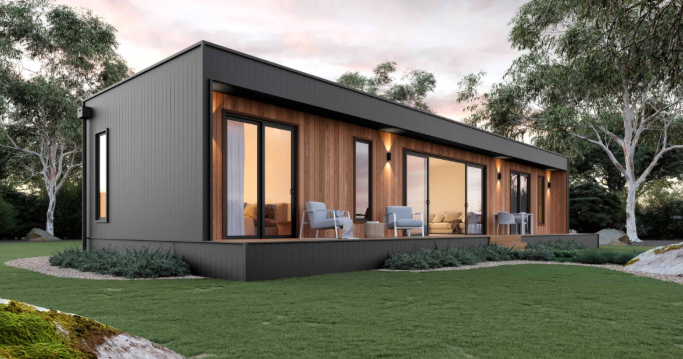
The Gold Coast has a housing dynamic that does not behave like other Australian cities. Tourism infrastructure, interstate migration, and a coastline that stops where it stops create a property environment where additional dwelling space carries genuine weight. Yet most homeowners sitting on a sizeable block have not acted on it. For those who have, building a granny flat in Gold Coast has delivered returns — financial and personal — that a simple backyard renovation never could.
Your Block Is Zoned Differently Than You Think
Most Gold Coast homeowners assume their zoning situation without checking it. That assumption is frequently wrong in their favour. The City of Gold Coast planning scheme has undergone meaningful changes that quietly expanded what is permissible on residential lots. Certain low-medium density zones now accommodate secondary dwellings with far fewer restrictions than residents expect. The practical implication is that blocks previously considered too narrow, too shallow, or too constrained by existing structures may now comfortably accommodate a compliant secondary dwelling. A conversation with a town planner – not a builder, a planner – is the correct first step, and it routinely produces a more favourable answer than homeowners anticipate.
The Rental Market Here Punishes Inaction
Gold Coast vacancy rates have sat at levels that property managers describe as functionally near zero across most desirable pockets. Broadbeach, Burleigh, Coomera, and Robina all draw renters for entirely different reasons — lifestyle, employment, schooling, and affordability relative to Brisbane — which means demand is not concentrated in one demographic or one corridor. A secondary dwelling on a well-located Gold Coast block does not enter a speculative rental market. It enters a market with a documented queue. Homeowners who delayed building because they were uncertain about demand have generally watched that hesitation cost them years of income that cannot be recovered.
Multigenerational Living Has a Design Problem Nobody Mentions
The concept of keeping family close whilst maintaining independence sounds straightforward. The execution is where most building a granny flat in Gold Coast projects either succeed or quietly fail. The critical variable is acoustic separation. A flat built directly attached to the main dwelling, sharing internal walls without adequate sound insulation, creates friction that eventually strains the arrangement regardless of how well everyone gets along. Detached configurations, or attached designs with a genuine acoustic break between structures, preserve the independence that makes the arrangement sustainable long-term. Families that get this detail right tend to find the living arrangement works far better than expected. Those that get it wrong often find the flat vacated within a year.
What Builders Quote and What Council Approves Are Different Conversations
A common and expensive mistake is engaging a builder before understanding what the local authority will actually approve. Builders quote on what they can construct. Council approves based on planning overlays, flood mapping, bushfire proximity, heritage considerations, and a range of site-specific constraints that have nothing to do with construction capability. On the Gold Coast specifically, properties near waterways, within mapped flood areas, or on sloping terrain carry additional requirements that can significantly alter what a secondary dwelling looks like and how it is engineered. Getting the planning assessment done first means the builder’s quote reflects reality rather than an optimistic assumption.
Size Is Less Important Than Configuration
The instinct to maximise the floor area of a secondary dwelling is understandable but often misplaced. A compact flat with a covered outdoor area, generous ceiling height, and a functional kitchen layout will be more comfortable to live in — and easier to rent — than a larger flat with a poor floor plan and no outdoor connection. Building a granny flat that feels like a considered small home rather than a reduced version of something bigger is entirely a design question, not a budget one. Engaging a draftsperson who has specifically designed secondary dwellings, rather than one who primarily works on full-scale residential projects, tends to produce noticeably better results in confined footprints.
Conclusion
Building a granny flat in Gold Coast rewards homeowners who treat it as a property decision first and a construction project second. The planning landscape, the rental environment, and the region’s multigenerational living trends all point in the same direction. The homeowners who navigate it well are invariably the ones who asked the right questions before anything was drawn, quoted, or submitted for approval.