

A well-designed bathroom needs storage that is easy to access, practical, and attractive. A bathroom vanity drawer can make everyday essentials easier to organize while giving the vanity a clean and modern appearance. Unlike deep cabinet shelves, drawers bring stored items forward, making toiletries, cosmetics, grooming tools, towels, and other bathroom essentials easier to see and reach. Modern vanity designs can also incorporate specialized drawers that work around sink plumbing, allowing homeowners to use more of the available cabinet space.
What Is a Bathroom Vanity Drawer?
A vanity drawer is a built-in storage compartment located within a bathroom vanity. Depending on the vanity’s size and configuration, it may contain one large drawer, several shallow drawers, deep drawers, or a combination of drawers and cabinet doors.
Drawers are particularly useful in bathrooms because many commonly stored items are small and frequently used. Cosmetics, skincare products, toothbrushes, hair accessories, grooming tools, and personal-care products can become difficult to manage when placed inside deep cabinets.
A drawer allows users to pull the contents outward instead of reaching toward the back of a cabinet. This makes organization and everyday access much easier.
Why Drawers Are Useful in Bathroom Vanities
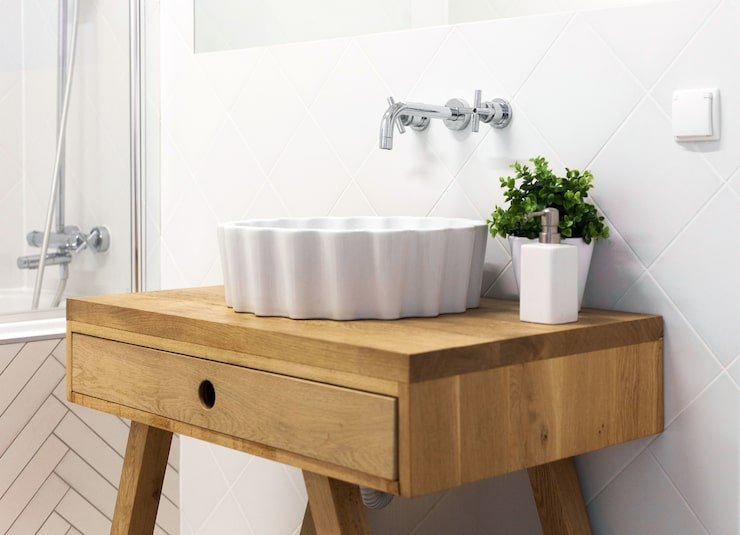
The main benefit of drawers is accessibility. When a drawer opens fully, users can usually see much of its contents at once.
Bathroom vanity storage guides commonly recommend drawers for frequently used smaller items because they make the contents more visible and accessible than traditional deep cabinets.
Other benefits include:
- Easier access to everyday products
- Better organization
- More visible storage
- Reduced need to reach into deep cabinets
- Easy use of drawer dividers
- Convenient separation of personal items
- Attractive modern appearance
- Efficient use of available cabinet space
However, drawers are not automatically better for every item. Large cleaning products, tall bottles, and bulky supplies may still be more suitable for cabinets with adjustable shelves.
Types of Vanity Drawers
Different drawer configurations serve different purposes.
Shallow Drawers
Shallow drawers are ideal for smaller bathroom items. They can be used for cosmetics, toothbrushes, skincare products, brushes, razors, and accessories.
Because the drawer is not excessively deep, products are less likely to become buried underneath one another.
Deep Drawers
Deep drawers provide storage for larger objects such as hair dryers, styling tools, towels, bottles, and other bulky items.
A deep drawer can be particularly useful below a shallow top drawer, creating a layered storage system.
U-Shaped Drawers
A U-shaped drawer is designed to accommodate plumbing beneath a sink. Instead of allowing the drain pipe to eliminate an entire drawer, the drawer box is shaped around the plumbing.
This design can preserve much more usable storage than simply replacing the drawer with a cabinet. Plumbing-aware drawer designs are increasingly used to maximize vanity storage.
Notched Drawers
A notched drawer includes a cutout or modified section that accommodates the sink’s plumbing.
This approach allows the drawer to extend across a larger portion of the vanity while leaving space for the pipe.
Soft-Close Drawers
Soft-close mechanisms allow drawers to close smoothly and quietly rather than slamming shut.
They can be especially useful in bathrooms because the space is frequently used early in the morning or late at night when quiet operation is desirable.
Tip-Out Drawers
A tip-out tray is a shallow storage compartment positioned near the sink. It can provide convenient storage for small items that are used directly at the bathroom counter.
Choosing the Right Drawer Configuration
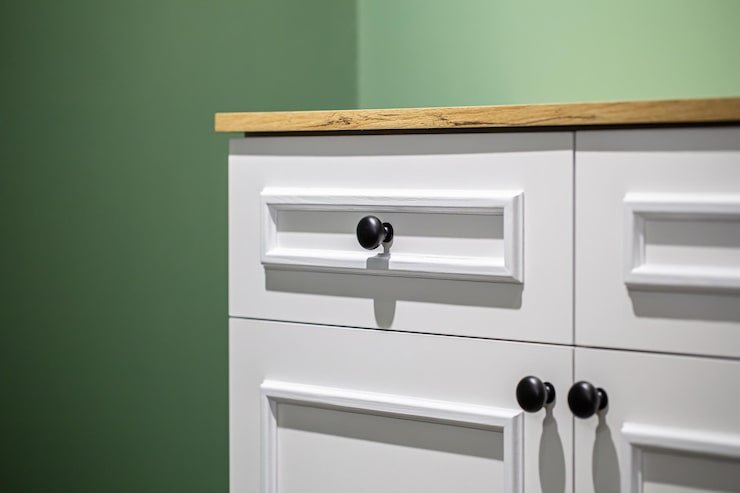
The number and size of drawers should be determined by what you plan to store.
For example, a vanity designed primarily for cosmetics may benefit from several shallow drawers with dividers. A family bathroom may require a mixture of shallow drawers for daily items and deep storage for towels and larger products.
Before selecting a vanity, make a list of the items you expect to store.
| Bathroom Items | Recommended Storage |
|---|---|
| Makeup | Shallow organized drawer |
| Toothbrushes | Shallow drawer or dedicated organizer |
| Skincare | Medium-depth drawer |
| Hairbrushes | Medium drawer |
| Hair dryer | Deep drawer |
| Towels | Deep drawer or cabinet |
| Cleaning supplies | Lower cabinet |
| Small accessories | Divided shallow drawer |
| Extra toiletries | Medium or deep storage |
| Tall bottles | Cabinet or appropriately sized drawer |
This approach helps prevent choosing a vanity based solely on appearance.
Plumbing and Drawer Design
One of the biggest challenges with bathroom vanity drawers is plumbing.
The sink drain and water connections occupy space inside the vanity. A standard full-depth drawer may collide with the plumbing if the cabinet is not designed around it.
The plumbing layout should therefore be considered before the vanity is ordered or built. Current cabinet design guidance emphasizes determining drain and supply positions early so drawer boxes can be designed around them rather than modified after installation.
Plan the Sink Area First
The location of the basin, drain, water lines, and trap can determine how much drawer storage is possible.
If the plumbing exits through the wall and is positioned appropriately, more of the cabinet interior may remain available for storage. A compact plumbing configuration can also reduce interference with drawers.
Use Plumbing-Friendly Drawer Designs
U-shaped and notched drawers can work around plumbing while maintaining usable storage.
Before purchasing a vanity, ask for a drawing or internal measurement showing where the plumbing will be located.
Choosing Drawer Depth
Drawer depth should correspond to the items you plan to store.
A very deep drawer may seem useful, but it can become difficult to organize if filled with small products. Shallow drawers can be more effective for cosmetics and toiletries.
A practical configuration may include:
- Shallow upper drawer for daily essentials
- Medium drawer for skincare and grooming products
- Deep drawer for towels and larger items
- Cabinet storage for tall bottles and cleaning products
Recent bathroom storage guidance similarly recommends matching drawer depth to the items being stored rather than simply maximizing drawer size.
Drawer Organizers and Dividers

A drawer without organization can quickly become cluttered.
Dividers create separate zones for different categories of products. Adjustable organizers are particularly useful because bathroom storage needs can change over time.
Consider separate sections for:
- Makeup
- Skincare
- Dental products
- Hair accessories
- Grooming products
- First-aid supplies
- Personal-care items
- Small electronics
Clear containers can also help keep small products visible.
The goal is not to fill every available space. Instead, each item should have an easily identifiable location.
How to Organize Vanity Drawers
Start by removing everything from the drawers. Discard expired or unused products and group the remaining items by category.
Place the most frequently used products in the easiest-to-reach drawer.
For example:
Top drawer: Daily skincare, toothbrush accessories, cosmetics, and other frequently used items.
Middle drawer: Hair accessories, grooming tools, and personal-care products.
Lower drawer: Towels, backup products, and larger items.
This zoning approach makes the vanity easier to maintain because every category has a designated location.
Materials for Vanity Drawers
Bathroom furniture is exposed to humidity, moisture, and frequent use, so material selection matters.
Common drawer materials include:
- Solid wood
- Plywood
- Medium-density fiberboard
- Laminated panels
- Engineered wood
The quality of the drawer box and its joints is important. Drawers are opened and closed frequently, so weak construction can lead to loose joints, sticking, or premature wear.
Moisture-resistant materials and properly sealed edges can be particularly useful in humid bathroom environments.
Drawer Hardware Matters
Drawer slides have a major influence on the user experience.
Full-extension slides allow the drawer to open farther, making the back of the drawer easier to access. Soft-close slides add quieter operation and can reduce sudden impacts.
When comparing vanity drawers, consider:
- Full-extension capability
- Weight capacity
- Smooth movement
- Soft-close functionality
- Corrosion resistance
- Ease of adjustment
- Overall construction quality
Current vanity guidance recommends considering full-extension and moisture-appropriate hardware when designing storage for humid bathroom environments.
Floating vs. Freestanding Vanities
The type of vanity also affects storage.
Floating Vanity
A floating vanity is attached to the wall rather than resting directly on the floor.
Advantages include:
- Modern appearance
- Easier floor cleaning
- Visually lighter design
- Potential for accessible space underneath
However, wall-mounted vanities have structural and weight considerations. The wall, mounting system, cabinet, countertop, and stored items must all be appropriately supported.
Freestanding Vanity
A freestanding vanity rests on the floor and can provide substantial enclosed storage.
It may be a better choice when maximum storage capacity is important.
The decision should be based on bathroom size, style, plumbing, storage requirements, and installation conditions.
Single-Sink vs. Double-Sink Vanity Drawers
A single-sink vanity generally provides a straightforward storage arrangement around one plumbing zone.
Double-sink vanities introduce two plumbing areas but also offer more overall width.
For a shared bathroom, individual drawer zones can be particularly useful. Each person can have designated storage rather than sharing one large drawer.
A 60-inch or larger vanity can provide opportunities for separate drawer banks, although the exact layout depends on sink placement and cabinet construction.
Choosing the Right Vanity Size
Vanity size should be based on available bathroom space and storage requirements.
Common vanity widths include:
- 24 inches
- 30 inches
- 36 inches
- 48 inches
- 60 inches
- 72 inches
Smaller bathrooms may require compact vanities with carefully designed storage. Larger bathrooms can accommodate wider vanities with multiple drawer banks.
Before purchasing, measure:
- Available wall width
- Door swing
- Toilet clearance
- Shower clearance
- Plumbing location
- Countertop depth
- Mirror placement
A vanity that fits the wall but interferes with a door or toilet can create significant usability problems.
Matching Drawers With Bathroom Style
Storage does not have to look purely functional.
Modern Bathroom
Choose flat or simple drawer fronts, minimal hardware, and neutral finishes.
Farmhouse Bathroom
Shaker-style fronts, natural wood, and traditional hardware can create a warm appearance.
Contemporary Bathroom
Handleless drawers, floating vanities, and clean surfaces can create a streamlined look.
Traditional Bathroom
Decorative hardware, framed fronts, and warm wood finishes can complement classic interiors.
Common Mistakes to Avoid
Choosing Appearance Over Storage
A beautiful vanity can become frustrating if it does not provide enough usable storage.
Ignoring Plumbing
Failing to plan around drain and water lines can reduce drawer functionality after installation.
Using Only Deep Drawers
Deep storage is useful for bulky products, but small items can quickly become disorganized.
Forgetting Drawer Clearance
Make sure open drawers will not collide with toilets, doors, walls, or other bathroom fixtures.
Overloading Drawers
Every drawer has a weight limit. Heavy products should be stored according to the manufacturer’s specifications.
Ignoring Humidity
Bathroom storage is exposed to moisture, so materials, finishes, hardware, and edge sealing should be appropriate for the environment.
How to Maintain Vanity Drawers
Regular maintenance can help keep drawers functional and clean.
Empty and wipe drawers periodically. Check for leaking bottles and clean spills immediately. Avoid storing wet towels or damp objects inside enclosed drawers unless the materials are designed for that use.
Inspect drawer slides and handles occasionally. If a drawer begins sticking, determine whether the issue is caused by misalignment, excessive weight, or a hardware problem.
A simple maintenance routine can prevent minor issues from becoming expensive repairs.
Key Points to Remember
- Drawers provide easy access to everyday bathroom products.
- Shallow drawers work well for small personal-care items.
- Deep drawers are useful for towels and bulky products.
- U-shaped and notched drawers can accommodate sink plumbing.
- Full-extension slides make the back of drawers easier to reach.
- Soft-close hardware provides smooth and quiet operation.
- Drawer dividers can prevent clutter.
- Vanity size should be selected according to both bathroom dimensions and storage requirements.
- Plumbing should be planned before finalizing the drawer layout.
- Moisture-resistant construction is important for bathroom environments.
- The best drawer configuration depends on what you actually need to store.
Final Thoughts
A well-planned vanity can make a bathroom considerably easier to organize and use. Drawers provide an especially practical storage solution because they bring products forward instead of forcing users to search through deep cabinets.
The most important consideration is not simply the number of drawers. Their depth, layout, hardware, internal organization, and relationship to sink plumbing all affect how useful they will be.
Before purchasing or building a vanity, measure the available space, identify the plumbing locations, determine what needs to be stored, and choose drawer sizes accordingly. A combination of shallow drawers, deeper storage, organizers, and plumbing-friendly designs can create an efficient setup for both small and large bathrooms.
With thoughtful planning and quality construction, vanity drawers can provide convenient storage while contributing to a clean, organized, and attractive bathroom design.
Frequently Asked Questions
1. Are drawers better than cabinets for bathroom vanities?
Drawers can be more convenient for many everyday bathroom items because their contents are easier to see and reach. Cabinets can still be useful for tall bottles, cleaning supplies, towels, and other bulky products.
2. How do vanity drawers work around sink plumbing?
Specially designed drawers can use notches or U-shaped sections that accommodate the drain and trap. This allows more of the cabinet space to remain usable instead of replacing the entire drawer area with a cabinet.
3. What should I store in shallow vanity drawers?
Shallow drawers are suitable for cosmetics, skincare products, toothbrush accessories, grooming items, jewelry, hair accessories, and other small products that are used frequently.
4. Are soft-close vanity drawers worth it?
Soft-close hardware can provide smoother and quieter operation and can reduce slamming. It is particularly useful in bathrooms that are used during early mornings or late evenings.
5. How can I maximize storage in a small bathroom vanity?
Use the available vertical space efficiently with multiple drawer levels, select shallow drawers for small items, use dividers, choose plumbing-friendly drawer designs, and make sure the vanity dimensions are appropriate for the bathroom layout.
| Read more: How to Organize Office |