

A 4 seasons room can be one of the most enjoyable additions to a home. It combines the brightness and outdoor views of a sunroom with the comfort of an indoor living space. With proper insulation, windows, heating, cooling, and thoughtful design, a four-season room can be used throughout the year rather than only during mild weather.
Whether you want a peaceful reading area, home office, family room, dining space, or entertaining area, a four-season addition can provide valuable flexibility. The key is to design the room around how you actually plan to use it.
Before beginning the project, homeowners should consider the available space, budget, architectural style, insulation, windows, HVAC requirements, lighting, flooring, and applicable permits.
What Is a 4 Seasons Room?
A 4 seasons room is an enclosed home addition designed for comfortable use throughout the year. Unlike a basic screened porch or many three-season rooms, it is generally built with insulation and climate control so the temperature can be managed during both hot and cold weather.
Large windows and glass doors are usually an important part of the design because they provide natural light and outdoor views. At the same time, insulated walls, an appropriate roof, energy-efficient windows, and heating and cooling help make the space function more like a regular room in the house.
Key Features of a Four-Season Room
- Insulated walls, ceiling, and floor
- Energy-efficient windows
- Heating and cooling
- Electrical outlets and lighting
- Durable flooring
- Comfortable furniture
- Good ventilation
- Exterior materials that complement the house
- Proper foundation and structural support
- Appropriate permits and inspections where required
The exact construction requirements vary by location and project, so it is important to work with qualified professionals before construction.
4 Seasons Room vs. Three-Season Room
One of the first decisions homeowners should make is whether they actually need a four-season room.
A three-season room may be suitable if you primarily want an enclosed outdoor area during comfortable months. A four-season room is designed for more consistent year-round use and generally requires a greater level of insulation and climate control.
| Feature | Three-Season Room | 4 Seasons Room |
|---|---|---|
| Year-Round Use | Limited | Yes |
| Insulation | Often limited | Designed for year-round comfort |
| Heating/Cooling | Limited or optional | Typically integrated |
| Windows | Large windows common | Energy-efficient windows |
| Comfort | Best in mild weather | Designed for all seasons |
| Cost | Generally lower | Generally higher |
| Typical Use | Seasonal relaxation | Daily living space |
If you want the room to function as a genuine extension of your home, the additional investment in insulation and climate control may make sense.
Why Add a 4 Seasons Room?
The biggest benefit is flexibility. A well-designed four-season room can serve different purposes as your needs change.
For example, it might begin as a quiet sitting room and later become a home office, playroom, dining area, or entertainment space.
Four-season rooms also provide a strong connection to the outdoors without requiring you to deal directly with outdoor weather. Natural light and large windows can make the room feel open and inviting.
Main Benefits
- Creates additional usable living space.
- Brings more natural light into the home.
- Provides views of the garden or backyard.
- Can serve multiple purposes.
- Offers a comfortable place to relax year-round.
- Creates an attractive transition between indoor and outdoor areas.
- Can make an existing home more functional.
- Provides a dedicated area for entertaining guests.
Popular 4 Seasons Room Ideas
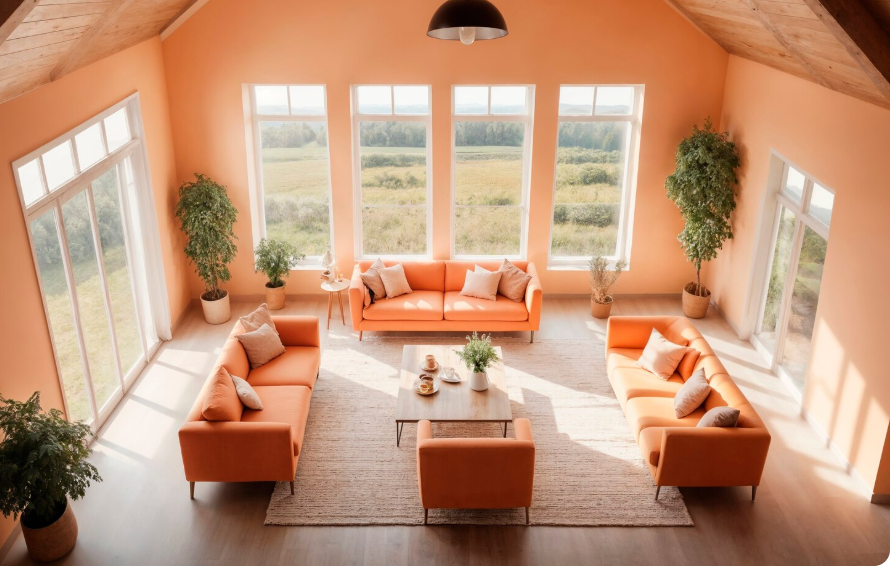
There are many ways to design a four-season room. The best option depends on the size of the addition, your home’s architecture, and your lifestyle.
Comfortable Family Room
A four-season room can become a bright family gathering area with a comfortable sofa, accent chairs, coffee table, television, and storage.
Large windows can provide a view of the garden while comfortable furnishings make the room suitable for everyday use.
Home Office
If you work remotely, a four-season room can create a dedicated office with plenty of natural light.
Place the desk near a window while keeping screens away from excessive glare. Add storage cabinets, task lighting, and comfortable seating to make the space practical for long work sessions.
Dining Room
A four-season addition can make an attractive dining area.
A dining table positioned near large windows can provide a pleasant setting for breakfast, family meals, or entertaining guests. This design can work particularly well when the room connects directly to a kitchen.
Reading Room
For homeowners who enjoy quiet spaces, a four-season room can become a private reading retreat.
Add:
- Comfortable lounge chairs
- Bookshelves
- Floor lamps
- Side tables
- Soft rugs
- Indoor plants
The combination of daylight and outdoor views can make the room feel peaceful and inviting.
Indoor Garden Room
Large windows make a four-season room suitable for indoor plants.
You can create a small plant collection with shelves, decorative planters, hanging plants, and comfortable seating. Make sure the selected plants are appropriate for the amount of sunlight and indoor conditions.
Entertainment Space
A larger four-season room can become an entertainment area with a television, sectional sofa, gaming area, music system, or small bar.
The layout should leave enough open space for movement and ensure that screens are positioned to avoid excessive glare from windows.
Choose the Right Location
Where you place your four-season room can significantly influence how comfortable and useful it becomes.
A backyard-facing addition is popular because it can provide attractive garden views and direct access to outdoor spaces.
Consider the direction of sunlight throughout the day. A room with extensive glazing can receive substantial heat from direct sunlight, so window placement, shading, glazing, and ventilation should be considered during the design stage.
Questions to Ask About Location
- Which side of the house receives the most sunlight?
- Where are the best outdoor views?
- How will the addition connect to existing rooms?
- Will it interfere with outdoor activities?
- Is there enough room for the foundation?
- How will rainwater be managed?
- Where will heating and cooling equipment connect?
- Will the addition affect existing windows or doors?
Planning these details early can help avoid expensive changes later.
Select Energy-Efficient Windows
Windows are one of the defining features of a four-season room. They provide the natural light and outdoor connection that make the space special, but large areas of glass also need careful consideration for temperature control.
Energy-efficient glazing can help improve comfort, while appropriate window orientation and shading can help manage sunlight.
Consider:
- Double-pane or appropriate high-performance glazing
- Low-emissivity glass where suitable
- Quality window frames
- Proper weather sealing
- Operable windows for ventilation
- Exterior or interior shades
The right combination depends on your climate and building design.
Insulation Matters
A four-season room should be designed as a genuine year-round space rather than simply an enclosed porch.
Insulation in the walls, roof, and floor helps reduce unwanted heat transfer. Proper air sealing is also important because gaps around windows, doors, and other openings can affect comfort.
Good insulation can make the room easier to heat and cool while contributing to a more consistent indoor environment.
Heating and Cooling Options
Climate control is an important difference between a four-season room and many seasonal outdoor enclosures.
Depending on the design, heating and cooling may be integrated with the home’s existing system or provided through a separate solution such as a properly sized ductless system.
The right choice depends on the room size, existing HVAC capacity, insulation, local climate, and overall home design.
A professional HVAC assessment is useful before construction because simply extending an existing system may not always be the best solution.
Flooring Ideas for a Four-Season Room
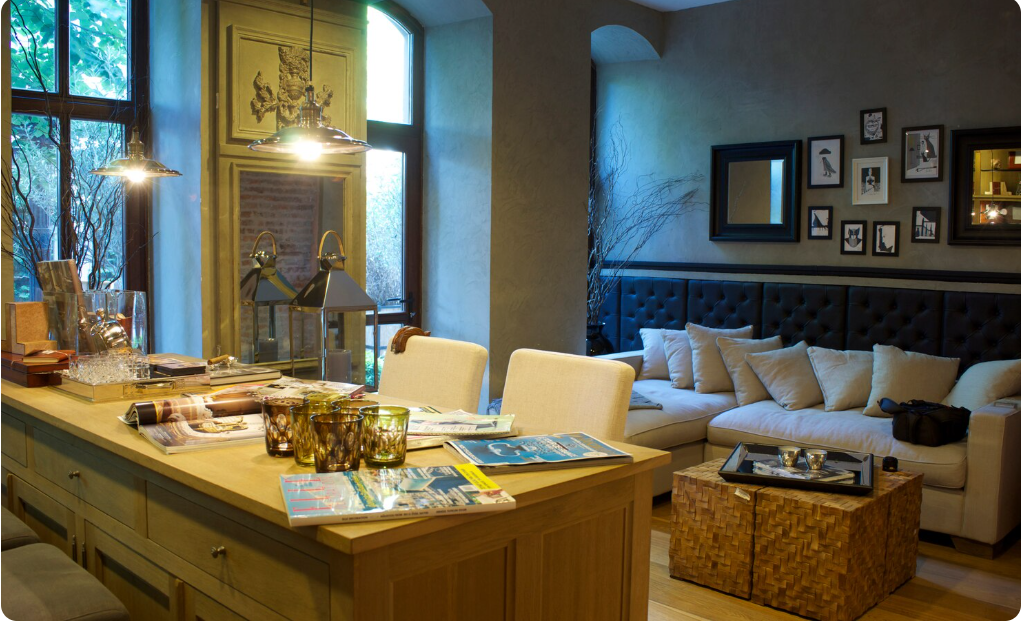
Flooring should be attractive but also practical for the amount of sunlight and traffic the room will receive.
Popular options can include:
- Porcelain tile
- Luxury vinyl
- Engineered wood
- Hardwood
- Stone
- Durable laminate
For a room connected to a garden or backyard, easy-to-clean flooring can be particularly useful.
Area rugs can then add warmth, texture, and visual definition without covering the entire floor.
Furniture and Interior Design
The furniture should match the purpose of the room.
For a family room, choose comfortable seating arranged around a central table. For an office, prioritize an ergonomic desk and chair. For a dining area, choose a table that leaves enough room for people to move comfortably.
Neutral colors can create a timeless look, while accent pillows, rugs, artwork, and plants can introduce personality.
Interior Design Ideas
| Room Purpose | Recommended Furniture | Design Focus |
|---|---|---|
| Family Room | Sofa, chairs, coffee table | Comfort |
| Home Office | Desk, ergonomic chair, storage | Productivity |
| Dining Area | Table and chairs | Functionality |
| Reading Room | Lounge chair, bookshelf | Relaxation |
| Plant Room | Benches, shelves, chairs | Natural atmosphere |
| Entertainment Room | Sectional, media console | Gathering |
The most successful designs usually combine comfort with practical everyday functionality.
Lighting Ideas for a Four-Season Room
Natural light may be the main attraction, but artificial lighting is equally important after sunset.
Use several types of lighting instead of relying on one central fixture.
Layered Lighting Options
Ambient lighting: Provides overall illumination.
Task lighting: Useful for reading, working, or crafting.
Accent lighting: Highlights artwork, plants, architectural details, or shelving.
Pendant lights can work well over dining tables, while floor and table lamps can create a softer atmosphere in sitting areas.
Make the Room Feel Connected to the Outdoors
A four-season room should feel like a bridge between the house and the yard.
Large windows and glass doors can create this connection. Consistent flooring, colors, and architectural details can also help the addition feel like a natural part of the home rather than an afterthought.
You can strengthen the connection by adding:
- Indoor plants
- Natural wood accents
- Outdoor views
- Garden-facing furniture
- Large glass doors
- Natural textures
- Neutral colors
- Coordinated exterior materials
A cohesive design can make the addition feel more intentional and integrated.
Consider Your Budget
The cost of a four-season room can vary substantially depending on size, foundation requirements, windows, insulation, roofing, electrical work, HVAC, interior finishes, and local labor costs.
Rather than focusing only on the initial construction price, create a complete project budget.
Potential Budget Categories
- Design and architectural planning
- Permits
- Foundation
- Framing
- Roofing
- Insulation
- Windows and doors
- Electrical work
- HVAC
- Flooring
- Interior finishes
- Lighting
- Furniture
- Landscaping
Getting detailed estimates from qualified contractors can help you understand where your money is going before construction begins.
Is a 4 Seasons Room Worth It?

For many homeowners, the answer depends on how often the room will actually be used.
If you want extra living space and enjoy natural light and outdoor views, a four-season room can be a valuable lifestyle improvement. Its usefulness increases when it serves more than one purpose.
However, homeowners should also consider the project’s cost, available yard space, maintenance, energy requirements, and local building rules.
The room should be designed around your actual needs rather than adding square footage simply because it is possible.
Common Mistakes to Avoid
Before starting a four-season room project, watch out for these common mistakes:
- Choosing windows based only on appearance.
- Underestimating heating and cooling requirements.
- Ignoring insulation.
- Failing to plan furniture placement.
- Making the room too small for its intended purpose.
- Forgetting storage.
- Ignoring glare and direct sunlight.
- Choosing finishes without considering maintenance.
- Failing to check local permits and regulations.
- Designing the addition without considering the existing architecture.
A little planning at the beginning can prevent many problems later.
Final Thoughts
A 4 seasons room can transform an underused part of a property into a bright, comfortable, and flexible living area. Whether you use it as a family room, home office, dining space, reading retreat, indoor garden, or entertainment room, the addition can adapt to your lifestyle.
The most important part is building it correctly. Insulation, windows, heating and cooling, structural design, drainage, lighting, and finishes should all be considered together. A four-season room is intended to function as a year-round extension of the home, so its construction should receive the same level of planning as any other major addition.
Start with your goals, determine the best location, create a realistic budget, and work with qualified professionals where structural, HVAC, electrical, or permitting expertise is required. With thoughtful design, a four-season room can become one of the most comfortable and frequently used spaces in your home.
FAQs About 4 Seasons Rooms
What is a 4 seasons room?
A 4 seasons room is an enclosed home addition designed for year-round use. It generally includes insulation, energy-efficient windows, and heating and cooling so the space can remain comfortable in different weather conditions.
What is the difference between a sunroom and a four-season room?
The terms can overlap, but a four-season room is specifically designed for year-round comfort. It typically has stronger insulation and climate control than a basic seasonal sunroom or screened porch.
What can I use a four-season room for?
You can use it as a family room, home office, dining area, reading room, plant room, entertainment space, playroom, hobby area, or relaxing lounge.
Are four-season rooms expensive to build?
Costs vary depending on size, materials, foundation, windows, HVAC, electrical work, finishes, and local labor. A detailed project estimate is the best way to understand the expected investment for a specific home.
Does a four-season room add value to a home?
It can add useful living space and improve a home’s functionality and appeal. However, the financial return depends on factors such as construction quality, location, design, local market conditions, and how buyers value the additional space.
Read more: Neutral Throw Pillows: Styles