

A solid wood corner desk is a practical and attractive furniture choice for anyone looking to create a comfortable workspace without wasting valuable floor space. Designed to fit neatly into a corner, this type of desk can turn an unused area into a productive home office, study space, gaming station, or creative workspace.
Solid wood furniture is especially popular because of its natural appearance, durability, and timeless character. Unlike many temporary furniture options, a well-made wooden desk can become a long-term part of your home. The natural grain, texture, and warmth of wood can also make a workspace feel more inviting.
Whether you work from home, study, manage a small business, or simply need a dedicated place for a computer, choosing the right corner desk can make a significant difference. A good desk should provide enough workspace while offering comfortable legroom, useful storage, and a design that complements the room.
Why Choose a Solid Wood Corner Desk?
Corner desks are designed to maximize space. Instead of extending far into the middle of a room, they use an often-underutilized corner.
Solid wood adds another advantage: durability and visual appeal. A properly constructed wooden desk can withstand regular daily use and maintain its character for years.
Key benefits include:
- Makes efficient use of corner space
- Provides a dedicated work area
- Offers a natural and attractive appearance
- Can be highly durable
- Works well in home offices and bedrooms
- Provides generous surface space
- Complements many interior styles
- Can support computers, monitors, books, and accessories
- Works well in small and large rooms
- Can become a long-term furniture investment
The combination of space efficiency and natural materials makes a corner desk especially useful for modern homes where every square foot matters.
How a Corner Desk Can Improve Your Workspace
A well-designed workspace should make it easier to focus and keep everyday items organized. A corner desk naturally creates boundaries around your work area.
Instead of placing a desk in the center of a room, you can use the corner to establish a dedicated work zone.
Better use of available space
Corners are frequently overlooked when arranging furniture. A corner desk can make these areas useful without taking up unnecessary floor space.
More organized work surface
A larger corner configuration can provide room for a computer monitor, keyboard, notebook, documents, and other essentials.
Better separation between work and living areas
If you work from home, placing the desk in a specific corner can help visually separate your work area from the rest of the room.
Popular Solid Wood Options for Corner Desks
Different types of wood offer different colors, grain patterns, textures, and characteristics. Your choice should depend on your preferred style, budget, and desired appearance.
Oak
Oak is a popular furniture wood known for its distinctive grain and traditional appearance. It can work well in classic, farmhouse, transitional, and contemporary interiors.
Walnut
Walnut typically offers a deeper, richer appearance and can create an elegant home-office atmosphere. It pairs well with modern furniture and darker décor.
Pine
Pine can provide a lighter, relaxed appearance and is often associated with casual or rustic interiors.
Maple
Maple generally has a clean, lighter appearance and can work well in contemporary or minimalist spaces.
| Wood Type | Appearance | Suitable Style |
|---|---|---|
| Oak | Distinctive natural grain | Traditional, farmhouse, modern |
| Walnut | Rich and sophisticated | Modern, classic, executive |
| Pine | Light and casual | Rustic, farmhouse, relaxed |
| Maple | Clean and subtle | Contemporary, minimalist |
The finish also influences the final appearance. Natural, stained, painted, and matte finishes can create very different visual results.
Choosing the Right Size

One of the most important considerations is desk size. A corner desk should fit the available space without making the room feel crowded.
Before purchasing, measure the width and depth of the corner where you plan to place it. Remember to account for baseboards, outlets, windows, doors, and nearby furniture.
Consider these measurements:
- Available wall width
- Desk depth
- Legroom
- Chair clearance
- Monitor space
- Storage requirements
- Walking paths
- Door and drawer clearance
A desk that looks perfect in a showroom may feel too large in a small bedroom, so measuring beforehand is essential.
Solid Wood Corner Desk Styles
Corner desks are available in a wide variety of designs. Choosing the right style can help the desk blend naturally with your existing décor.
Traditional Corner Desk
Traditional desks may feature decorative details, drawers, raised panels, or classic finishes. They can work especially well in formal offices or traditional interiors.
Modern Corner Desk
Modern designs typically emphasize clean lines and simple shapes. A natural wood finish combined with minimal hardware can create a sophisticated appearance.
Rustic Corner Desk
Rustic desks highlight natural wood characteristics and may feature visible grain, knots, textured surfaces, or distressed finishes.
Farmhouse Corner Desk
Farmhouse-inspired designs often combine natural wood with simple silhouettes and neutral finishes. They can create a warm and welcoming workspace.
Industrial Corner Desk
Industrial designs may combine solid wood with metal legs or frames. This combination can provide a strong visual contrast and a contemporary feel.
Storage Features to Look For
A desk does not have to be completely minimal. Storage can make your workspace significantly easier to manage.
Depending on your needs, consider:
- Drawers
- Open shelves
- File storage
- Keyboard trays
- Cabinet compartments
- Monitor shelves
- Cable management
- Side storage
If you primarily use a laptop, you may not need extensive storage. However, people who work with paperwork, books, art supplies, or office equipment may benefit from additional compartments.
Corner Desk Setup Ideas
Once you choose the desk, arranging the workspace properly can make it more comfortable and functional.
Computer Workstation
Place your monitor in a position that allows comfortable viewing. Keep your keyboard and mouse at a convenient height and leave enough surface space for everyday accessories.
Study Area
Students can use a corner desk for books, notebooks, laptops, and study materials. Adding shelves above or beside the desk can provide additional storage without using floor space.
Creative Workspace
Artists, designers, and hobbyists can use a large corner desk to create separate areas for a computer and physical materials.
Gaming Setup
A solid wood corner desk can also provide space for gaming monitors, speakers, keyboards, controllers, and other accessories.
Creating an Ergonomic Workspace
A beautiful desk should also be comfortable. Poor desk positioning can make long work sessions unpleasant.
Important ergonomic considerations include:
- Keep the monitor at a comfortable viewing height
- Use a supportive chair
- Keep frequently used items within easy reach
- Maintain enough legroom
- Avoid excessive desk clutter
- Keep your keyboard and mouse comfortably positioned
- Make sure lighting does not create distracting glare
The desk should work with your chair rather than forcing you into an uncomfortable position.
Solid Wood Corner Desk vs. Engineered Wood
Both solid wood and engineered wood can be useful furniture materials, but they offer different characteristics.
| Feature | Solid Wood | Engineered Wood |
|---|---|---|
| Natural grain | High | Varies |
| Durability | Generally high | Depends on construction |
| Appearance | Natural and unique | Consistent |
| Repair potential | Often good | More limited |
| Weight | Usually heavier | Often lighter |
| Character | Develops over time | More uniform |
Solid wood is often chosen by people who appreciate natural materials and long-term furniture. Engineered wood may appeal to buyers looking for a lighter or more budget-friendly option.
How to Match a Wooden Corner Desk With Your Décor

A solid wood desk can work with many interior styles. The key is to coordinate the wood tone and finish with surrounding furniture.
For a warm room, consider natural oak, honey-toned wood, or medium brown finishes. For a modern room, a clean-lined desk with a darker finish may create a sophisticated appearance.
You can also coordinate the desk with:
- Bookshelves
- Office chairs
- Flooring
- Wall colors
- Storage cabinets
- Lighting
- Decorative accessories
Avoid matching every wooden item exactly. Slight variations in wood tones can create a more layered and natural appearance.
Lighting Ideas for a Corner Desk
Lighting is especially important if the desk is located in a darker corner.
A combination of general room lighting and task lighting can create a more comfortable workspace.
Consider:
- Desk lamps
- Adjustable task lights
- Wall-mounted lighting
- Ceiling fixtures
- Natural daylight
- LED accent lighting
Position lighting carefully so it does not create reflections on your computer screen.
Cable Management for a Clean Workspace
Computers, monitors, chargers, speakers, and other electronics can quickly create cable clutter.
A clean cable-management system can make the desk look more organized.
Useful solutions include:
- Under-desk cable trays
- Cable clips
- Cable sleeves
- Built-in desk openings
- Charging stations
- Adhesive cable organizers
If you are purchasing a desk specifically for computer use, consider whether it includes cable-management features.
Maintaining a Solid Wood Corner Desk
Solid wood furniture can last for many years when cared for properly. The exact maintenance requirements depend on the wood and finish.
Basic maintenance tips:
- Dust the surface regularly
- Wipe spills promptly
- Avoid excessive moisture
- Use suitable cleaning products
- Protect the surface from unnecessary scratches
- Use coasters for drinks
- Avoid prolonged direct sunlight when appropriate
- Follow the manufacturer’s care recommendations
Wood can naturally change slightly over time. This is part of the character that many people appreciate about solid wood furniture.
Common Mistakes to Avoid
Choosing a desk based only on appearance can lead to practical problems. Consider how you will actually use the furniture before purchasing.
Buying without measuring
Always measure the available corner first.
Ignoring chair space
A desk may fit against the wall but leave insufficient space for your chair.
Choosing too little surface area
If you use multiple monitors or work with documents, make sure the desktop is large enough.
Forgetting storage
Think about what needs to be stored before choosing between a minimalist desk and a storage-heavy design.
Ignoring lighting
A poorly lit workspace can become uncomfortable, especially during evening work or study sessions.
How to Make Your Corner Desk More Stylish
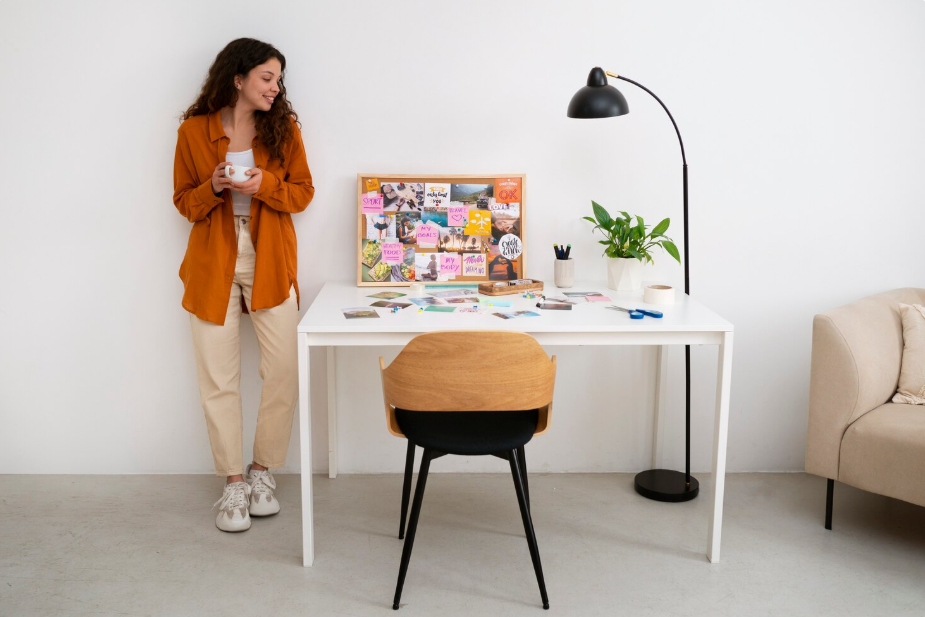
A workspace does not have to look purely functional. Small decorative additions can make the area feel more personal.
Consider adding:
- A small plant
- Framed artwork
- A desk organizer
- A stylish lamp
- Decorative books
- A comfortable desk mat
- A small storage tray
Keep accessories controlled so the workspace remains practical and uncluttered.
Final Thoughts
A solid wood corner desk can be an excellent choice for homeowners who want a combination of durability, natural beauty, and efficient space usage. Its corner-friendly design makes it particularly useful for home offices, bedrooms, study rooms, gaming spaces, and creative work areas.
Before choosing a desk, measure your available space, determine how much surface area you need, consider storage requirements, and select a wood finish that complements your interior.
With the right size, design, lighting, chair, and organization system, a solid wood corner desk can transform an unused corner into a comfortable and productive workspace. Because solid wood has a timeless quality, a well-made desk can also remain attractive as your décor and lifestyle change.
Frequently Asked Questions
Is a solid wood corner desk a good choice for a home office?
Yes. A solid wood corner desk can provide a durable, spacious, and attractive workstation while making efficient use of an otherwise unused corner.
What type of wood is best for a corner desk?
Oak, walnut, maple, and pine are popular choices. The best option depends on your preferred appearance, durability requirements, budget, and interior style.
How do I choose the right size corner desk?
Measure the available corner carefully, including wall width, depth, chair clearance, walking space, and nearby doors or furniture. Choose a size that provides enough workspace without overcrowding the room.
Can a solid wood corner desk be used for gaming?
Yes. A sufficiently large corner desk can accommodate gaming monitors, keyboards, speakers, controllers, and other equipment. Cable management and adequate surface space are especially useful.
How do I maintain a solid wood corner desk?
Dust it regularly, clean spills promptly, avoid excessive moisture, protect the surface from scratches, and follow the care instructions recommended for the specific wood and finish.
This article is structured for SEO with natural keyword placement, strong H2/H3 headings, two useful comparison tables, and exactly 5 FAQs.
Read more: Contemporary Comfort Mipimprov: Modern