
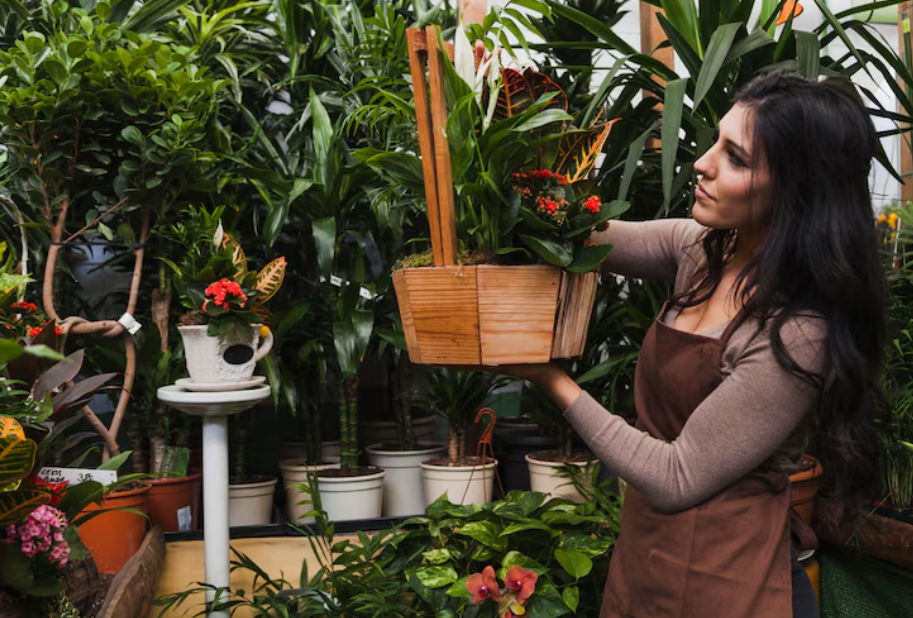
Modern cities are filled with busy streets, apartments, rooftops, balconies, and compact outdoor areas. Even when space is limited, people still want to enjoy greenery and create relaxing places to spend time. urban-garden-crafters.com urban garden crafters: transform urban spaces represents an approach to making city environments greener, more functional, and visually appealing. From balcony gardens and rooftop landscapes to creative vertical planting, urban gardening can turn overlooked areas into beautiful outdoor spaces.
What Is Urban Garden Crafting?
Urban garden crafting focuses on designing and developing green spaces within city environments. Instead of relying on large yards, it uses creative techniques to make the most of limited areas.
Urban gardens can include:
- Balcony gardens
- Rooftop gardens
- Vertical gardens
- Container gardens
- Small patios
- Community gardens
- Indoor-outdoor plant spaces
- Herb and vegetable gardens
The goal is to combine plants, design, and practical space planning to create an environment that feels natural while fitting the limitations of urban living.
Why Urban Gardens Are Becoming Popular
As cities become more densely populated, private outdoor space can be difficult to find. A small balcony or rooftop can provide an opportunity to reconnect with nature without leaving home.
Urban gardens can provide several lifestyle benefits:
- Add greenery to concrete surroundings
- Create a relaxing outdoor environment
- Improve the appearance of balconies and patios
- Provide space for growing herbs and vegetables
- Make unused areas more functional
- Encourage people to spend more time outdoors
Even a few carefully selected plants can make a noticeable difference to a small urban space.
Make the Most of Small Spaces
Limited space does not mean limited creativity. Vertical gardening is one of the easiest ways to increase planting space without using valuable floor area.
Wall-mounted planters, trellises, hanging containers, and tiered plant stands can all help maximize available space.
For a small balcony, consider arranging plants at different heights. This creates visual depth while keeping walking areas clear.
Useful options include:
- Hanging baskets
- Stackable planters
- Wall planters
- Narrow plant shelves
- Vertical growing systems
Choosing the right arrangement can make a compact garden feel more organized and spacious.
Create a Beautiful Rooftop Garden
Rooftops can offer excellent opportunities for urban gardening. With enough planning, an unused rooftop can become a peaceful retreat, entertaining area, or productive garden.
Before creating a rooftop garden, it is important to consider the building structure, waterproofing, drainage, wind exposure, and local requirements.
Lightweight containers and suitable planting systems can be useful where traditional garden beds are not practical.
A rooftop garden might include:
- Raised containers
- Small trees or shrubs
- Flowering plants
- Seating areas
- Herb gardens
- Decorative lighting
Good planning helps ensure that the space remains both attractive and practical.
Add Plants That Suit Urban Conditions
Not every plant performs well in a city environment. Urban spaces can experience strong sunlight, wind, heat, limited soil, and irregular watering.
When selecting plants, consider:
- Sunlight: Determine how many hours of direct light the area receives.
- Wind: Rooftops and balconies may need wind-tolerant plants.
- Water requirements: Choose plants that fit your watering routine.
- Container size: Make sure roots have enough room to develop.
- Climate: Select varieties suited to your local growing conditions.
Choosing appropriate plants from the beginning can reduce maintenance and improve long-term results.
Grow Herbs and Vegetables in the City
Urban gardening does not have to be purely decorative. Small spaces can also be used to grow useful edible plants.
Herbs such as basil, mint, rosemary, parsley, and thyme can often be grown in containers when provided with suitable conditions. Depending on the available space and climate, gardeners may also grow tomatoes, peppers, leafy greens, or other vegetables.
Growing food at home can make gardening more rewarding and encourage people to spend more time caring for their plants.
Combine Function With Outdoor Style
A successful urban garden should be more than a collection of plants. Furniture, containers, lighting, flooring, and decorative features can help turn the area into a complete outdoor living space.
For example, a small balcony could combine:
- Compact seating
- A vertical plant wall
- Decorative planters
- Outdoor cushions
- Small solar lights
- A compact herb garden
The result can be a comfortable space for reading, relaxing, entertaining, or enjoying a morning coffee.
Sustainable Ideas for Urban Gardens
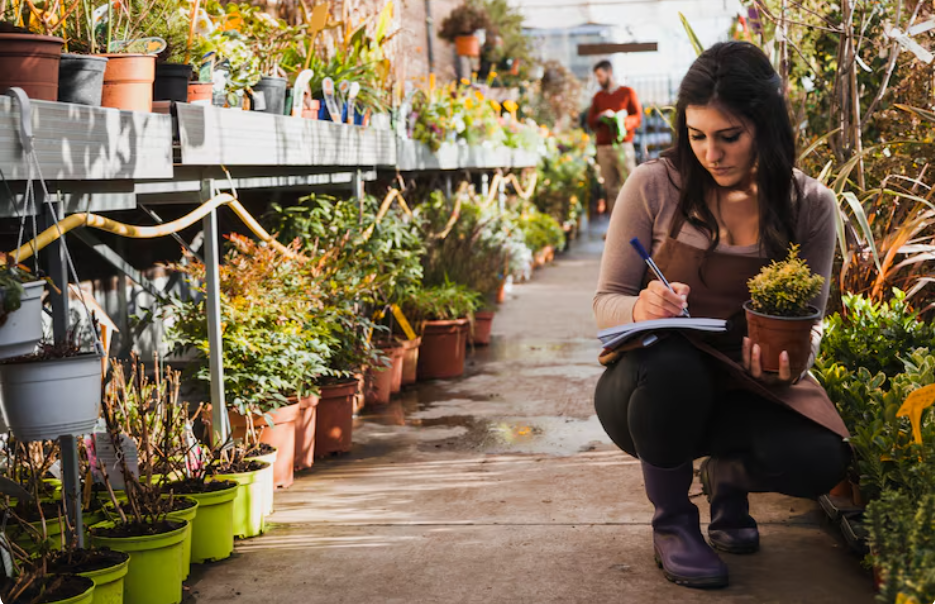
Sustainability can be incorporated into many aspects of urban gardening. Reusing containers, collecting rainwater where practical, choosing native or climate-appropriate plants, and avoiding unnecessary water use can all contribute to a more responsible garden.
Other ideas include:
- Using recycled or reclaimed materials
- Choosing durable planters
- Composting suitable organic waste
- Installing efficient irrigation
- Selecting plants with appropriate water requirements
- Avoiding excessive chemical use
Small choices can add up and make an urban garden more resource-conscious.
Low-Maintenance Urban Garden Ideas
Not everyone has time for daily gardening. Fortunately, an attractive urban garden can be designed around a manageable maintenance routine.
Start with plants that suit the local climate and your available sunlight. Group plants with similar water requirements together, and use containers with adequate drainage.
A low-maintenance garden can also benefit from:
- Automatic or drip irrigation
- Mulching
- Durable planters
- Slow-growing plants
- Perennial varieties
- Simple planting arrangements
The less complicated the design, the easier it can be to maintain consistently.
Transform Your Urban Space With Thoughtful Design
Urban gardening is ultimately about making better use of the space available. Whether you have a tiny balcony, a rooftop, a patio, or a small courtyard, thoughtful planning can turn an ordinary area into something special.
Start by measuring the space and identifying its main purpose. Decide whether you want a relaxing garden, an edible garden, a decorative green area, or a combination of these ideas. Then select plants, containers, furniture, and accessories that support your goal.
Final Thoughts
Urban gardens demonstrate that you do not need a large backyard to enjoy nature. With creative planning, even compact city spaces can become green, comfortable, and functional. From vertical planting and rooftop gardens to container-grown herbs and cozy balconies, there are countless ways to introduce greenery into urban life. By choosing suitable plants, using space efficiently, and incorporating practical design elements, urban garden crafters can transform ordinary city spaces into inviting outdoor environments that are enjoyable throughout the year.
1 Comment
[…] Read Also: Urban Garden Crafters: Transform […]