
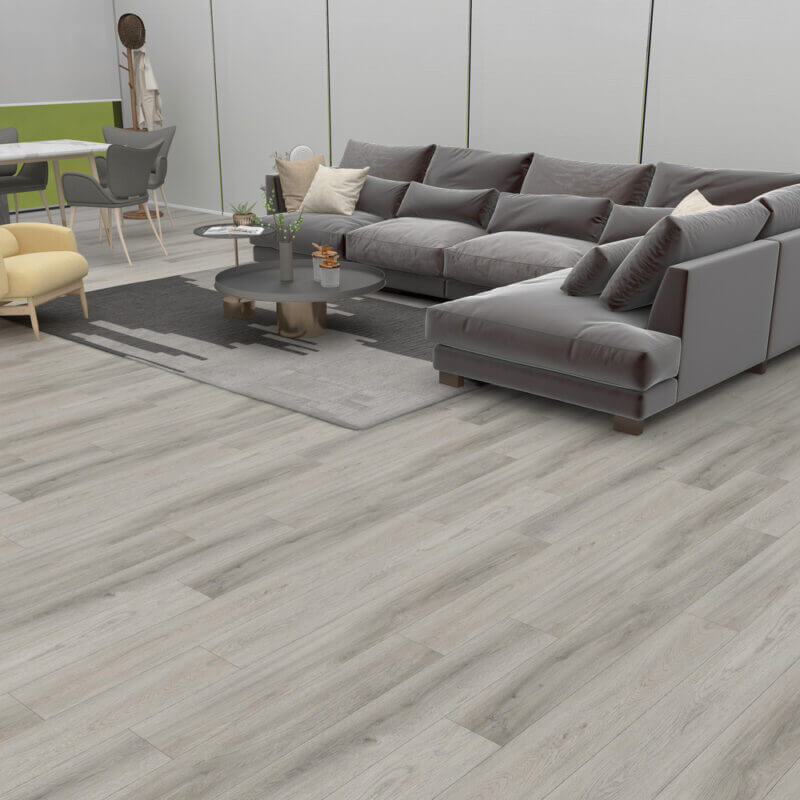
EVP flooring is becoming a popular choice for homeowners who want the attractive appearance of hardwood or stone without the maintenance requirements of traditional flooring materials. Known for its durability, water resistance, and realistic designs, EVP flooring offers a practical solution for living rooms, bedrooms, kitchens, hallways, and many other areas of the home. It combines modern flooring technology with convenient installation options, making it appealing for both renovations and new construction projects.
If you are considering new floors, understanding how EVP flooring works can help you decide whether it suits your home, lifestyle, and budget. From its layered construction and main advantages to installation methods, cleaning requirements, and potential drawbacks, there are several factors worth considering before making a purchase.
What Is EVP Flooring?
EVP stands for Engineered Vinyl Plank. It is a type of luxury vinyl flooring designed to replicate the appearance of natural wood while offering a durable and relatively low-maintenance surface. Many EVP products feature realistic wood grain patterns, textured finishes, and detailed colors that resemble oak, maple, walnut, and other popular hardwood varieties.
EVP flooring is manufactured using multiple layers that work together to provide stability, visual appeal, comfort, and resistance to everyday wear. Depending on the product, it may include a rigid core, a decorative printed layer, a protective wear layer, and an attached underlayment.
One reason EVP flooring attracts attention is its balance between appearance and practicality. Traditional hardwood can be affected by moisture, while some laminate products may be vulnerable to water damage at their seams. Many EVP products offer waterproof construction, although installation quality and the manufacturer’s specifications remain important.
The term EVP is sometimes used inconsistently by flooring retailers. Some products marketed under this name overlap with rigid-core luxury vinyl plank categories, including stone plastic composite and wood plastic composite flooring. Therefore, shoppers should compare the product’s actual construction and technical specifications rather than relying on the name alone.
How Is EVP Flooring Made?
EVP flooring typically consists of several layers designed to support its performance and appearance. Although the exact materials differ between manufacturers, most products use a similar general structure.
| Flooring Layer | Main Purpose |
|---|---|
| Wear layer | Helps protect against scratches, stains, and everyday surface wear |
| Decorative layer | Creates the realistic appearance of wood or another material |
| Rigid core | Provides structure, dimensional stability, and support |
| Backing or underlayment | Can improve comfort, sound absorption, and installation performance |
The wear layer is especially important because it protects the printed design from normal household activity. A thicker, high-quality wear layer may be beneficial in homes with children, pets, or frequent foot traffic. However, thickness alone does not guarantee overall quality, so buyers should also review product testing, warranties, and manufacturer recommendations.
The rigid core helps the plank maintain its shape and provides a firm surface underfoot. Some cores are designed with greater rigidity, while others offer slightly more flexibility. The backing layer may include attached foam or another cushioning material, although not every EVP product comes with an integrated underlayment.
Understanding these layers makes it easier to compare different flooring options and identify the features that matter most for your home.
Key Benefits of EVP Flooring
EVP flooring offers several advantages that make it suitable for a wide range of residential interiors. Its main strengths are water resistance, design versatility, relatively easy maintenance, and convenient installation.
Water Resistance
Many EVP flooring products are designed to resist water and everyday spills. This makes them an attractive option for kitchens, dining areas, laundry rooms, and other spaces where accidental spills may occur.
Some products are marketed as waterproof, but homeowners should understand what that claim covers. A waterproof plank does not automatically make the entire floor assembly waterproof. Water may still travel through perimeter gaps, expansion spaces, poorly sealed transitions, or other parts of the installation.
For rooms with frequent moisture exposure, follow the manufacturer’s instructions for subfloor preparation, perimeter details, and sealing requirements. Standing water should be cleaned up promptly even when the flooring is advertised as waterproof.
Realistic Wood Appearance
One of the biggest attractions of EVP flooring is its ability to imitate natural hardwood. Modern printing and surface-texturing technologies can reproduce wood grain, knots, color variations, and other visual details.
Available styles range from pale natural oak to warm brown walnut and deep charcoal finishes. Wide planks and subtle grain patterns can create a contemporary look, while rustic textures can complement farmhouse or traditional interiors.
Because the decorative layer is manufactured, homeowners can achieve a consistent design without relying on the natural variations found in solid wood. Many products also reproduce stone-inspired patterns and other decorative finishes.
Durability for Everyday Living
Quality EVP flooring is designed to withstand typical household activity, including regular walking, furniture movement, and common spills. Its protective wear layer helps reduce the impact of everyday use.
However, EVP flooring is not completely scratch-proof or dent-proof. Sharp objects, heavy furniture, dragged appliances, and concentrated loads can damage the surface or core. Using suitable furniture pads, lifting heavy items instead of dragging them, and keeping grit away from the floor can help preserve its appearance.
The product’s construction, wear-layer thickness, installation quality, and maintenance routine all influence how well it performs over time.
Low Maintenance Requirements
Compared with many traditional flooring materials, EVP flooring is relatively easy to maintain. Routine care usually involves sweeping, dust mopping, or vacuuming with a suitable hard-floor setting.
Occasional damp mopping can remove dirt and residue. Use a cleaner approved by the manufacturer and avoid excessive water, abrasive scrubbers, or harsh chemicals that may affect the surface.
Unlike many natural wood floors, EVP generally does not require sanding, staining, or periodic refinishing. This can make it a convenient choice for households that want attractive flooring without a demanding maintenance schedule.
Comfortable and Quiet Underfoot
EVP flooring can feel more comfortable underfoot than some hard surfaces, particularly when the product includes a suitable backing layer. Certain installations may also reduce some footfall noise compared with harder flooring materials.
The amount of comfort and sound reduction depends on the product’s construction, the subfloor, and whether an approved underlayment is used. Adding an unapproved underlayment can interfere with the locking system or compromise the installation, so always check the manufacturer’s recommendations.
Potential Disadvantages of EVP Flooring
Although EVP flooring has several useful features, it is not the ideal choice for every home. Understanding its limitations helps prevent disappointment after installation.
The Surface Can Still Be Damaged
The protective wear layer helps resist everyday wear, but deep scratches, cuts, and dents can still occur. Moving heavy furniture without protection or dropping sharp objects may leave permanent marks.
Unlike solid hardwood, most EVP products cannot be sanded and refinished to restore their original appearance. Damaged planks may need to be replaced, which makes keeping spare material from the original installation a practical idea.
Subfloor Preparation Is Important
Rigid-core planks can cover certain minor surface imperfections, but they should not be used to hide major unevenness, loose materials, moisture problems, or structural defects.
An uneven subfloor may cause movement, clicking sounds, gaps, or stress on the locking joints. Before installation, the floor must meet the manufacturer’s requirements for flatness, cleanliness, and dryness.
Concrete subfloors may require moisture testing, while wood subfloors may need repairs or additional preparation. Correct preparation can significantly improve the final result.
Product Quality Varies
Not all EVP flooring products offer the same level of performance. Differences may include wear-layer thickness, core construction, locking-system design, surface texture, warranty coverage, and indoor-air-quality certifications.
A low-cost product may look attractive in a showroom but may not deliver the durability or installation performance needed for a busy household. Comparing technical specifications is more useful than choosing based on appearance or price alone.
Direct Sunlight and Temperature Changes
Prolonged direct sunlight and significant temperature changes can affect some vinyl flooring products. Depending on the manufacturer’s specifications, excessive heat may contribute to expansion, movement, discoloration, or other performance issues.
Large windows, sunrooms, and areas near heat-producing appliances deserve particular attention. Use appropriate window coverings where necessary and follow the manufacturer’s temperature and installation requirements.
EVP Flooring vs. Other Flooring Options
Comparing EVP flooring with other common materials can help you decide which option best matches your needs.
| Feature | EVP Flooring | Solid Hardwood | Laminate Flooring | Ceramic Tile |
|---|---|---|---|---|
| Appearance | Realistic wood and decorative designs | Natural wood grain | Printed wood or stone designs | Wide range of colors and patterns |
| Water resistance | Often high; product-specific | Generally moisture-sensitive | Varies by product; seams matter | Generally excellent |
| Maintenance | Usually simple | May require refinishing and special care | Usually simple | Simple, but grout needs care |
| Underfoot feel | Often more resilient | Firm with some natural warmth | Firm | Very hard |
| Repair options | Individual planks may be replaceable | Can often be refinished | Damaged planks may be replaceable | Individual tiles may be replaced |
| Installation | Often floating click-lock | Nail-down, glue-down, or floating systems depending on product | Commonly floating | Usually requires adhesive and grout |
| Typical cost level | Varies by quality and installation | Often higher for premium materials | Varies by quality | Varies by tile and labor |
These comparisons are general rather than universal. Premium EVP products may cost more than basic alternatives, and installation costs can vary significantly by location and project complexity.
Solid hardwood remains appealing for its natural material and refinishing potential. Laminate may offer an economical wood-look surface, while ceramic tile can be a strong choice for areas that require a hard, water-resistant finish. EVP is worth considering when you want a combination of realistic design, easier maintenance, and a more forgiving surface underfoot.
EVP Flooring vs. LVP Flooring
EVP and LVP are closely related terms, and the distinction can be confusing. LVP stands for Luxury Vinyl Plank, a broad category of vinyl flooring designed to resemble wood planks. EVP generally refers to engineered vinyl plank products, often associated with a rigid core.
Many EVP products can be considered part of the broader luxury vinyl plank market. However, product naming conventions vary between manufacturers and retailers, so the label alone may not tell you exactly how a floor is constructed.
The most useful comparison is between the specific products you are considering. Look at core composition, overall thickness, wear-layer rating, locking system, moisture requirements, warranty terms, and installation method.
A rigid-core product may provide greater dimensional stability than some flexible vinyl planks, but its performance depends on the quality of the materials and the conditions of the installation. Do not assume that every EVP product is automatically superior to every LVP product.
Where Can You Install EVP Flooring?
EVP flooring can be suitable for many areas of a home, provided the selected product is approved for the location.
Living rooms: Wood-look EVP can create a warm, coordinated appearance while handling everyday family activity.
Bedrooms: Its range of colors and textures makes it easy to match furniture, bedding, and interior design styles.
Kitchens: Water-resistant products can be practical for cooking areas where spills are common. Clean spills promptly and follow the manufacturer’s installation guidelines.
Hallways and entryways: Durable products can work well in frequently used spaces. Regularly remove grit and dirt to help prevent surface scratches.
Laundry rooms: Products approved for these spaces may provide a convenient surface around washing machines. Check the requirements for moisture exposure and appliance installation.
Basements: EVP may be suitable over a properly prepared concrete subfloor, but moisture testing is essential. A waterproof plank does not resolve an underlying basement moisture problem.
Bathrooms require particular attention to product approval, perimeter details, and the possibility of water entering beneath the floor. Always confirm that the selected product and installation system are suitable for the intended room.
How Much Does EVP Flooring Cost?
The cost of EVP flooring depends on product quality, plank design, core construction, wear-layer specifications, and the amount of material required. Installation, subfloor repairs, transitions, and removal of existing flooring can add to the overall project cost.
When planning a budget, consider the following expenses:
- Flooring material for the full area.
- Additional planks for cutting waste and future repairs.
- Underlayment, if required and approved.
- Subfloor preparation and moisture testing.
- Installation labor and old-floor removal.
- Trim, transitions, and door adjustments.
- Delivery and disposal charges.
Request a written estimate that separates material and labor costs. This makes it easier to compare quotations fairly and identify services that may be excluded.
It is also helpful to purchase enough flooring from the same product batch when possible. Slight differences between production batches may affect color or pattern matching. Keeping a few spare planks can simplify future repairs.
The lowest initial price is not always the best long-term value. A suitable product with a dependable warranty and an appropriate wear layer may be a better investment than a cheaper option that does not meet the needs of the household.
How to Install EVP Flooring
Many EVP flooring products use a click-lock floating installation system, which allows planks to connect without being permanently attached to the subfloor. Other products may use different installation methods, so the manufacturer’s instructions should always take priority.
The general installation process includes the following steps.
Step 1: Prepare the room. Remove furniture, clear the installation area, and take out the existing flooring if necessary. Check for loose boards, cracks, contamination, and other defects.
Step 2: Inspect the subfloor. Make sure the surface meets the required flatness and moisture conditions. Repair uneven areas and address moisture issues before proceeding.
Step 3: Acclimate the material if required. Some products require a specific period of acclimation, while others have different storage and temperature requirements. Follow the instructions for the exact product.
Step 4: Plan the layout. Measure the room and decide where the first row should begin. Planning the layout can prevent very narrow planks at the walls and create a more balanced appearance.
Step 5: Install the planks. Connect the planks using the recommended locking method. Maintain the specified expansion gaps and stagger the end joints according to the manufacturer’s directions.
Step 6: Finish the edges. Install appropriate trim and transitions while allowing for any required expansion space. Avoid fastening trim in a way that prevents a floating floor from moving as intended.
Step 7: Inspect the finished floor. Check for gaps, raised edges, loose connections, and other visible problems before returning furniture to the room.
DIY installation can be manageable for homeowners with basic tools and careful preparation. However, complex room layouts, moisture concerns, damaged subfloors, and manufacturer-specific requirements may justify hiring a professional installer.
How to Clean and Maintain EVP Flooring
Regular cleaning helps maintain the appearance and performance of EVP flooring. Fortunately, most products do not require a complicated care routine.
Start by sweeping or vacuuming regularly to remove dust, grit, and small particles. These materials can contribute to surface wear when repeatedly ground under shoes or furniture.
For deeper cleaning, use a damp mop and a cleaner approved for the flooring. Avoid flooding the surface with water, particularly near edges, transitions, and areas where the installation may not be fully sealed.
Place protective pads beneath furniture legs and use suitable mats near entrances to reduce the amount of dirt tracked indoors. Avoid dragging heavy furniture or appliances across the floor.
Do not assume that steam mops, abrasive powders, waxes, or polish products are safe for every EVP surface. Some can damage the finish or conflict with the warranty. Consult the manufacturer’s care instructions before using an unfamiliar cleaning product.
If a plank becomes damaged, check whether the manufacturer provides replacement guidance. A qualified installer may be able to replace an individual plank, depending on the locking system and the location of the damage.
How to Choose the Best EVP Flooring
Choosing the right EVP flooring involves more than selecting a color. A good decision balances appearance, performance, installation requirements, and total project cost.
First, consider how the room will be used. A busy family room or hallway may benefit from a product with a more robust wear layer than a lightly used guest bedroom. Households with pets should pay attention to scratch resistance, surface texture, and cleaning requirements.
Next, compare the core construction and total product thickness. Thickness can affect the feel of the floor and compatibility with adjacent surfaces, but it is not a complete measure of quality. The wear layer, locking system, dimensional stability, and manufacturer specifications also matter.
Look at samples in your own home before buying. Lighting can change how a color appears, and a small showroom sample may not reveal the full variation of a plank pattern. Compare samples against your walls, cabinets, furniture, and natural light.
Finally, review the warranty carefully. Check what is covered, which installation conditions apply, and whether the warranty has limitations related to moisture, sunlight, or commercial use. A warranty is most useful when the flooring is installed and maintained according to the manufacturer’s requirements.
Is EVP Flooring Worth It?
EVP flooring can be an excellent option for homeowners who want the look of hardwood with a simpler maintenance routine and improved resistance to everyday moisture. Its range of designs makes it suitable for contemporary, traditional, minimalist, and rustic interiors.
It may be particularly appealing for households seeking a practical surface for living rooms, kitchens, bedrooms, and other frequently used spaces. The availability of rigid-core construction and click-lock systems can also make some products convenient for renovation projects.
However, EVP flooring is not indestructible. Product quality varies, subfloor preparation remains essential, and damaged planks generally cannot be refinished like solid hardwood. It is also important to distinguish between a waterproof plank and a completely waterproof room installation.
Before purchasing, compare several products, examine their technical specifications, and obtain installation estimates. When the flooring is matched to the room and installed correctly, it can provide an attractive and functional surface for everyday living.
Frequently Asked Questions About EVP Flooring
Is EVP flooring waterproof?
Many EVP products are designed to be waterproof at the plank level. However, the performance of the complete floor depends on installation details, seams, perimeter gaps, and the manufacturer’s instructions. Waterproof flooring does not eliminate the need to manage moisture beneath the surface.
Is EVP flooring better than laminate?
EVP may be a better choice when water resistance is a priority, but the best option depends on the specific products being compared. Laminate can offer attractive designs and good value, while EVP often provides more flexibility for areas where spills are common. Compare warranties, wear ratings, and installation requirements before deciding.
Can EVP flooring be installed over concrete?
Many EVP products can be installed over concrete when the subfloor meets the manufacturer’s requirements. The concrete should be properly prepared, sufficiently flat, and tested for moisture where required. Any active moisture problem should be addressed before installation.
Is EVP flooring suitable for homes with pets?
Yes, many EVP products are suitable for homes with pets because they are easy to clean and offer protective wear layers. Nevertheless, pet claws can still scratch some surfaces, and accidents should be cleaned promptly. Choose a product with appropriate durability specifications and follow its care guidelines.
How long does EVP flooring last?
The lifespan depends on product quality, installation, household traffic, and maintenance. A well-made product that is installed correctly and cared for according to the manufacturer’s instructions can provide many years of service. Review the warranty and product specifications rather than relying on a single lifespan estimate.
Does EVP flooring increase home value?
EVP flooring can improve the appearance and usability of a home, which may help its overall presentation to potential buyers. However, its effect on resale value depends on local preferences, installation quality, design choices, and the condition of the property. It should not be treated as a guaranteed increase in market value.
Conclusion
EVP flooring offers a useful combination of realistic wood-inspired designs, easy maintenance, and moisture resistance. Its layered construction and rigid-core options make it worth considering for homeowners who want an attractive alternative to traditional hardwood or other hard-surface materials.
The best results come from choosing a product that suits the room, checking its wear layer and construction, preparing the subfloor correctly, and following the installation and cleaning instructions. By comparing specifications and total project costs instead of focusing only on appearance, you can select EVP flooring that meets your household’s practical needs and design preferences.
| Read More : How how many gallons |
2 Comments
[…] Read more: EVP Flooring: Benefits, Costs, […]
[…] Read More : EVP Flooring: Benefits, Costs, […]