
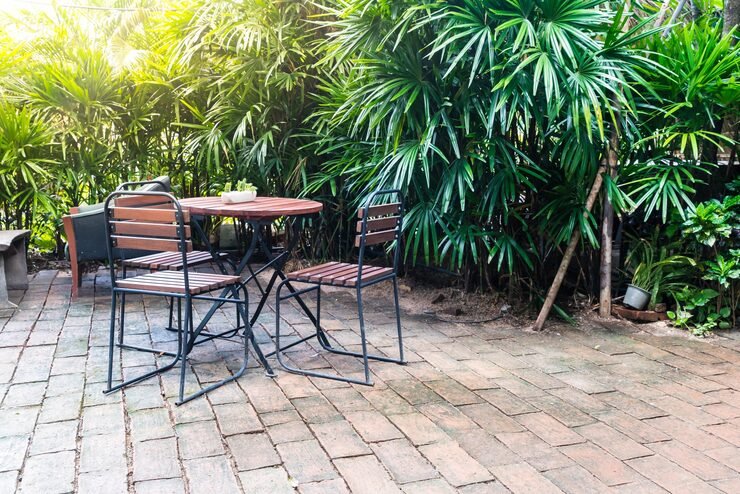
A brickwork patio can add warmth, character, and lasting value to an outdoor space while creating a practical area for relaxing, dining, entertaining, or enjoying a garden. Brick is a popular patio material because it combines a traditional appearance with excellent durability and a wide range of design possibilities. With careful planning, proper ground preparation, suitable drainage, and an appropriate installation method, a brick patio can remain attractive and functional for many years.
Why Choose Brick for a Patio?
Brick is one of the most recognizable materials for outdoor landscaping. Its natural color variations and textured surface can give a patio a welcoming appearance that works with both traditional and contemporary properties.
Unlike some temporary outdoor surfaces, properly installed brick can withstand regular foot traffic and changing weather conditions. Individual bricks can also be removed and replaced if a damaged area needs repair.
Another advantage is design flexibility. Bricks can be arranged in different patterns to create borders, focal points, geometric designs, or pathways connecting different parts of a garden.
Main Benefits of Brick Patios
Some of the key advantages include:
- Attractive and timeless appearance
- Strong resistance to normal foot traffic
- Wide variety of colors and textures
- Numerous pattern options
- Individual units can be replaced when necessary
- Easy to coordinate with landscaping
- Suitable for traditional and modern homes
- Can provide good drainage when installed with appropriate joints and base materials
Brick does have limitations. It can be more labor-intensive to install than some loose-fill surfaces, and poorly prepared ground may cause individual units to settle or become uneven.
Planning Your Patio Design
The best patio projects begin with careful planning. Before purchasing materials, determine how much space you need and how the area will be used.
A patio intended for a small seating arrangement may require considerably less space than one designed for outdoor dining, a barbecue, or large gatherings.
Measure the proposed area and sketch the layout. Include furniture, planting beds, steps, doors, and existing structures in your plan.
Consider the Shape and Location
A rectangular patio is usually easier to measure and install, but curved or irregular shapes can create a more natural landscape appearance.
Think carefully about the relationship between the patio and the house. A location close to the kitchen or living room can make outdoor dining and entertaining more convenient.
Sun exposure is also important. A sunny location may be pleasant in cooler weather but uncomfortable during hot summer afternoons. Existing trees or shade structures can influence how usable the space will be.
Choosing the Right Bricks

Not every brick is suitable for outdoor paving. Patio construction requires products designed to withstand outdoor conditions and repeated foot traffic.
Look for paving bricks or purpose-made outdoor units rather than ordinary interior masonry bricks.
Color is another important consideration. Traditional red and brown tones create a warm appearance, while gray, charcoal, or mixed tones can produce a more contemporary design.
Important Material Characteristics
When comparing options, consider:
- Thickness and strength
- Resistance to weather
- Surface texture
- Slip resistance
- Color consistency
- Expected maintenance
- Compatibility with the surrounding landscape
It is a good idea to purchase a small sample or view several installed examples before making a final decision. Colors can appear different depending on sunlight, surrounding materials, and the amount of variation within each batch.
Popular Brick Laying Patterns
One of the most enjoyable parts of patio design is choosing the laying pattern. The pattern affects both the visual character and the amount of cutting required.
Running Bond
A running bond uses rows in which each brick is offset from the previous row. It is simple, clean, and relatively straightforward to install.
Basketweave
Basketweave arrangements create the appearance of interwoven blocks. This traditional pattern works particularly well with classic garden designs.
Herringbone
Herringbone uses bricks arranged at angles to form a zigzag effect. It creates a strong visual statement and can provide excellent structural interlock.
Stack Bond
In a stack bond, bricks line up directly with one another. This creates a modern, orderly appearance but requires accurate installation to maintain straight lines.
| Pattern | Appearance | Installation difficulty | Best suited for |
|---|---|---|---|
| Running bond | Simple and traditional | Easy | General patios |
| Basketweave | Classic and decorative | Moderate | Traditional gardens |
| Herringbone | Strong geometric effect | Moderate to high | Feature patios |
| Stack bond | Clean and modern | Moderate | Contemporary spaces |
Preparing the Ground
Ground preparation is one of the most important stages of patio construction. A beautiful surface can fail if the foundation is unstable.
Start by marking the patio dimensions. Remove grass, roots, organic material, and unsuitable soil from the area.
The excavation depth depends on soil conditions, climate, drainage, and the materials being used. The finished patio should also be positioned so that rainwater does not flow toward the building.
Build a Stable Foundation
After excavation, the soil should be compacted. A suitable base material can then be installed in layers.
Each layer should be compacted thoroughly before adding the next. This reduces settlement and helps distribute weight evenly.
A typical structure may include:
- Compacted subgrade
- Appropriate base aggregate
- Bedding material
- Paving bricks
- Joint material
The exact construction should be adjusted according to local conditions and project requirements.
Managing Drainage
Water management is essential for a long-lasting patio. Standing water can stain surfaces, encourage moss growth, weaken the foundation, and contribute to movement or settlement.
The finished surface should normally have a slight slope to direct rainwater away from buildings.
Avoid creating a completely flat surface where water can collect. At the same time, the slope should not be so steep that furniture becomes unstable or walking becomes uncomfortable.
Where natural drainage is insufficient, additional drainage systems may be required.
Installing the Edge Restraint
Edge restraints help prevent the outer bricks from shifting sideways. They are especially important when the patio has exposed edges or receives frequent use.
Possible options include concrete restraints, metal edging, or purpose-designed paving restraints.
The edge should be secure and properly aligned before the interior units are installed. A strong perimeter helps keep the pattern intact and reduces gradual spreading.
Laying the Bricks
Once the foundation and bedding layer are ready, begin laying the paving units according to the selected pattern.
Work carefully from a straight reference line. Check alignment regularly rather than waiting until a large section has been completed.
Maintain consistent joints between units. Minor differences may be noticeable once several rows are installed.
Where cutting is necessary, use suitable masonry-cutting equipment and wear appropriate protective equipment.
Avoid rushing this stage. Precise installation can make a significant difference to the finished appearance.
Joint Filling and Final Compaction
After the bricks are positioned, jointing material can be swept into the gaps between units. The correct material depends on the installation method and type of paving.
For some systems, polymeric jointing products may be appropriate, while traditional sand-filled joints may be suitable for other applications.
Follow the requirements of the paving system being installed.
Once joints have been filled, the surface may require careful compaction to settle the units and jointing material. The process should be performed according to the manufacturer’s recommendations to avoid damaging the surface.
Maintenance Requirements
One of the advantages of a brick patio is that maintenance is generally manageable. However, regular care helps preserve both appearance and performance.
Sweep away leaves, soil, and debris before they accumulate in joints. Organic material left between units can encourage weeds and moss.
Clean stains promptly when possible. Food, grease, and plant material can become more difficult to remove if they remain on the surface for extended periods.
Handling Weeds and Moss
Weeds often develop in joints where soil and organic debris have accumulated. Regular sweeping can reduce the amount of material available for weed growth.
Moss is more common in shaded, damp locations. Improving sunlight exposure and drainage can help reduce recurring growth.
Avoid aggressive cleaning methods that could damage the surface or remove joint material unnecessarily.
Common Problems and How to Avoid Them
Several issues can occur when a patio has not been properly designed or installed.
Uneven Bricks
Uneven surfaces are often caused by settlement beneath individual sections. Proper excavation, base preparation, and compaction can significantly reduce this problem.
Water Pooling
Standing water usually indicates inadequate slope or drainage. Correcting the underlying issue is more effective than repeatedly cleaning the surface.
Moving Edge Bricks
If the outer units begin to shift, the edge restraint may be insufficient or improperly installed. Strengthening the perimeter can help stabilize the patio.
Weed Growth
Weeds commonly develop where soil and organic material collect in joints. Regular maintenance and appropriate jointing materials can help reduce the problem.
Brick Compared With Other Patio Materials
Homeowners often compare brick with concrete, natural stone, porcelain, and other paving products.
| Material | Durability | Maintenance | Appearance | Design flexibility |
|---|---|---|---|---|
| Brick | High | Moderate | Traditional and warm | High |
| Concrete | High | Low to moderate | Wide range | High |
| Natural stone | High | Moderate | Premium and natural | Very high |
| Porcelain paving | High | Low | Modern and refined | High |
Brick is particularly appealing when a homeowner wants a surface with character and traditional visual appeal. Concrete may provide more uniformity, while natural stone offers greater variation and a premium appearance.
DIY or Professional Installation?
A small patio can be a manageable DIY project for someone comfortable with excavation, measuring, compaction, and masonry work.
However, larger installations can require substantial physical effort. Moving base material, removing soil, maintaining accurate levels, cutting paving units, and ensuring proper drainage can all be demanding.
Professional installation may be worthwhile when the site has poor soil, significant slopes, drainage challenges, complicated shapes, or difficult access.
Even when hiring a contractor, understanding the construction process helps homeowners evaluate proposals and communicate their expectations.
How to Keep Costs Under Control
The cost of a patio depends on its size, brick selection, foundation requirements, labor, edging, drainage, and site accessibility.
To control costs:
- Choose a simple layout when budget is limited.
- Compare several paving options.
- Minimize unnecessary cutting.
- Plan dimensions around standard brick sizes.
- Prepare the site carefully to avoid future repairs.
- Purchase enough material to complete the project without excessive waste.
- Consider doing simple preparation work yourself if appropriate.
The cheapest material is not always the least expensive option over the long term. A slightly higher initial investment in quality paving and proper foundation work can reduce maintenance and repair costs.
Key Points to Remember
- Choose paving units specifically designed for outdoor use.
- Plan the patio around how you intend to use it.
- Select a pattern that matches the architecture and landscape.
- Prepare and compact the foundation carefully.
- Provide enough slope for effective water drainage.
- Use secure edge restraints to reduce movement.
- Keep joints consistent during installation.
- Remove leaves and organic debris regularly.
- Address settlement and drainage problems early.
- Consider professional installation for complex or large projects.
Final Thoughts
A well-designed brick patio can become one of the most useful and attractive parts of an outdoor living area. Its combination of durability, warmth, pattern flexibility, and repairability makes it a strong choice for gardens, courtyards, entertaining spaces, and residential landscaping.
The quality of the finished project depends heavily on preparation. Selecting suitable paving units is important, but stable ground, proper drainage, a compacted foundation, secure edging, and accurate installation are equally important.
Whether you choose a simple running bond or a more decorative geometric pattern, thoughtful planning will help create a patio that complements your property and remains enjoyable for years.
Frequently Asked Questions
1. Are all bricks suitable for outdoor patios?
No. Patio surfaces require paving products designed for outdoor conditions and regular foot traffic. Ordinary interior masonry bricks may not have the durability or characteristics required for paving.
2. What is the most popular laying pattern for patios?
Running bond, basketweave, and herringbone are popular choices. The best option depends on the desired appearance, installation skill, patio shape, and architectural style of the property.
3. Does a brick patio need a concrete foundation?
Not necessarily. Many residential installations use a properly prepared and compacted aggregate base with an appropriate bedding layer. The correct foundation depends on soil conditions, drainage, climate, and the installation system.
4. How do you stop weeds from growing between paving units?
Regular sweeping helps prevent soil and organic debris from accumulating in joints. Suitable jointing material and good drainage can also reduce weed growth. Persistent problems may indicate that the joints need to be cleaned and renewed.
5. Can damaged paving units be replaced individually?
Yes. One advantage of individual paving units is that damaged pieces can generally be removed and replaced without rebuilding the entire patio. Matching older units may be difficult if the original product has weathered or is no longer available, so keeping a small quantity of spare material can be useful.