
The Essence of Modern Homes
Modern Homes are designed with a focus on simplicity, functionality, and aesthetics. They incorporate clean lines, open spaces, and cutting-edge technology to create comfortable and efficient living environments. Modern architecture embraces minimalism, emphasizing the “less is more” philosophy while providing homeowners with a stylish, low-maintenance, and sustainable living space.
Open Layouts and Flow
One of the defining features of modern homes is the open-plan layout. Large, interconnected spaces create a sense of airiness and freedom, allowing for smooth transitions between rooms. The flow from living areas to kitchens and dining spaces encourages socializing and functionality. This openness also maximizes natural light, which is a key component of modern design, making the home feel brighter and more inviting.
Use of Clean Lines and Minimalist Design
Modern homes prioritize simplicity. Clean, straight lines define the structure, with minimal ornamentation. This minimalist design approach focuses on essential elements, avoiding excessive decoration or clutter. Furniture and décor are sleek and understated, creating a sense of calm and order. This design philosophy ensures that every space is both beautiful and functional.
Sustainable and High-Quality Materials
Sustainability is a major focus in modern home design. From eco-friendly building materials like bamboo and reclaimed wood to energy-efficient windows and solar panels, modern homes use materials that are both high-quality and environmentally responsible. These materials enhance the home’s durability and reduce its ecological footprint, making it a forward-thinking investment for both the environment and the homeowner.
Integration of Smart Technology
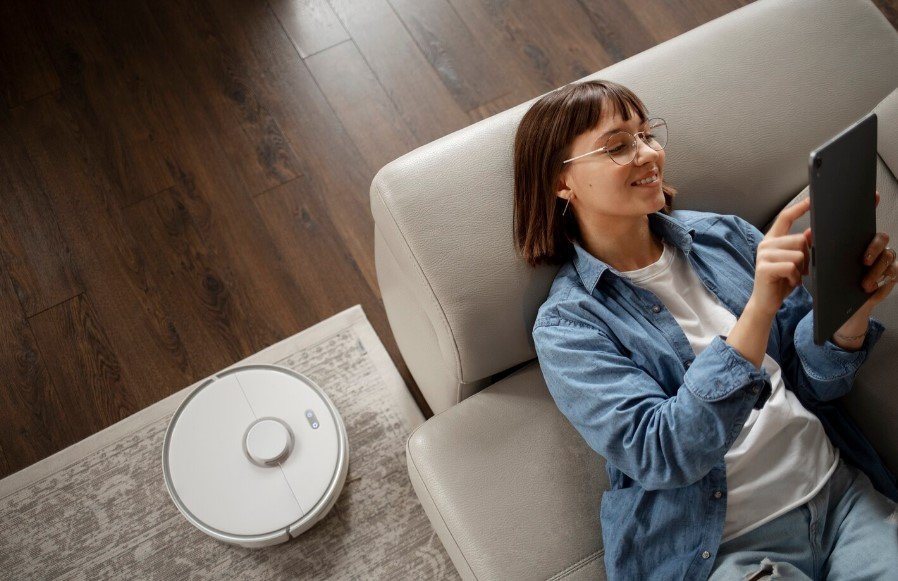
Modern homes are often equipped with the latest smart technology, offering both convenience and energy efficiency. Smart home systems can control everything from lighting and heating to security, making it easy to customize the living environment. Features like voice-activated assistants, smart thermostats, and automated lighting provide ease and efficiency, allowing homeowners to manage their space with minimal effort.
Large Windows and Natural Light
A key characteristic of modern homes is the emphasis on large windows, which allow for abundant natural light. These windows connect the indoor space with the outdoors, creating a seamless flow between the two. Expansive glass walls, sliding doors, and skylights bring the outdoors in, enhancing the home’s sense of openness and increasing energy efficiency by reducing the need for artificial lighting.
Indoor-Outdoor Connection
Modern homes often feature outdoor living spaces that are just as thoughtfully designed as their interiors. Patios, decks, gardens, and outdoor kitchens are integrated into the home’s overall design. The goal is to blur the lines between indoor and outdoor living, allowing residents to enjoy the beauty of nature from the comfort of their own home. These spaces are ideal for relaxation, social gatherings, and dining al fresco.
Functional Spaces with Multi-Use Areas
In modern homes, every space is designed with purpose. Rooms are often multifunctional, able to adapt to the homeowner’s changing needs. For instance, a home office might double as a guest bedroom, or an open kitchen island can function as both a cooking space and a breakfast bar. Clever use of storage, flexible room layouts, and furniture that serves multiple purposes maximize the functionality of every square foot.
High-Quality Finishes and Customization
Modern homes emphasize high-quality finishes that are both durable and aesthetically pleasing. From polished concrete floors to sleek granite countertops, finishes are chosen to provide longevity and style. Customization is also an important feature, as homeowners can select materials, colors, and designs that reflect their personal taste. Whether it’s a custom-built kitchen or unique lighting fixtures, modern homes allow for a high degree of personalization.
Energy Efficiency and Sustainability
Energy efficiency is a cornerstone of modern home design. Homes are built with insulation, high-performance windows, and energy-efficient appliances that reduce energy consumption and lower utility bills. Solar panels, geothermal heating, and rainwater harvesting systems are commonly integrated into modern homes to promote sustainability and reduce the home’s carbon footprint.
Personalization and Adaptability
While modern homes often adhere to minimalist principles, they still offer ample opportunities for personalization. Whether through the selection of furniture, wall colors, or decorative elements, homeowners can add their own touch to the space. Additionally, modern homes are adaptable to changing needs. With flexible floor plans and room designs that can evolve over time, modern homes grow with the family, accommodating new lifestyles and preferences.
The Future of Modern Homes
The future of modern homes is centered around continued innovation in both design and technology. As sustainability becomes even more important, future homes will likely integrate even more eco-friendly technologies, such as advanced solar energy systems, water-saving appliances, and smart home capabilities. The emphasis will remain on creating living spaces that are not only stylish and comfortable but also energy-efficient, low-maintenance, and responsive to the needs of the homeowners.
Conclusion
Modern homes embody a fusion of form and function, offering spaces that are both beautiful and highly practical. With their focus on simplicity, sustainability, and cutting-edge technology, modern homes provide a living environment that supports both the present and the future. Whether you’re building a new home or updating an existing one, embracing modern design principles ensures that your living space will remain comfortable, functional, and in harmony with the world around you.