
A smoke alarm is one of the most important safety devices in any home. It provides an early warning when smoke or fire is detected, giving you and your family valuable time to evacuate safely. However, simply installing a smoke alarm isn’t enough—you also need to test it regularly to ensure it’s working properly.
Many homeowners forget to check their smoke alarms until it’s too late. Batteries can fail, sensors can become clogged with dust, and older alarms may stop functioning without any obvious signs. That’s why learning how to test a smoke alarm is an essential part of home maintenance and fire safety.
In this guide, you’ll learn the correct way to test a smoke alarm, how often testing should be done, common mistakes to avoid, and additional tips to keep your home protected.
Why Testing Your Smoke Alarm Is Important
Smoke alarms are your first line of defense against house fires. According to fire safety experts, working smoke alarms significantly reduce the risk of fire-related injuries and fatalities by providing an early warning before conditions become dangerous.
Regular testing helps you:
- Confirm the alarm is functioning properly.
- Ensure the batteries have enough power.
- Detect problems before an emergency occurs.
- Keep your family prepared for unexpected fires.
- Comply with local fire safety recommendations.
A smoke alarm only saves lives if it works when you need it most.
How Often Should You Test a Smoke Alarm?
Experts recommend testing every smoke alarm at least once a month. Monthly testing helps identify low batteries, faulty sensors, or other issues before they become serious problems.
In addition to monthly testing:
- Replace batteries at least once a year (unless using sealed 10-year batteries).
- Clean the alarm every six months.
- Replace the entire smoke alarm every 10 years or according to the manufacturer’s recommendations.
- Test the alarm after replacing batteries or performing maintenance.
Keeping a regular maintenance schedule ensures your smoke alarms remain reliable.
Step-by-Step Guide: How to Test a Smoke Alarm
Testing a smoke alarm only takes a few minutes and requires no special tools.
Step 1: Notify Everyone in the Home
Before testing, let everyone know that you’re about to activate the alarm. Smoke alarms are intentionally loud and may startle children, elderly family members, or pets.
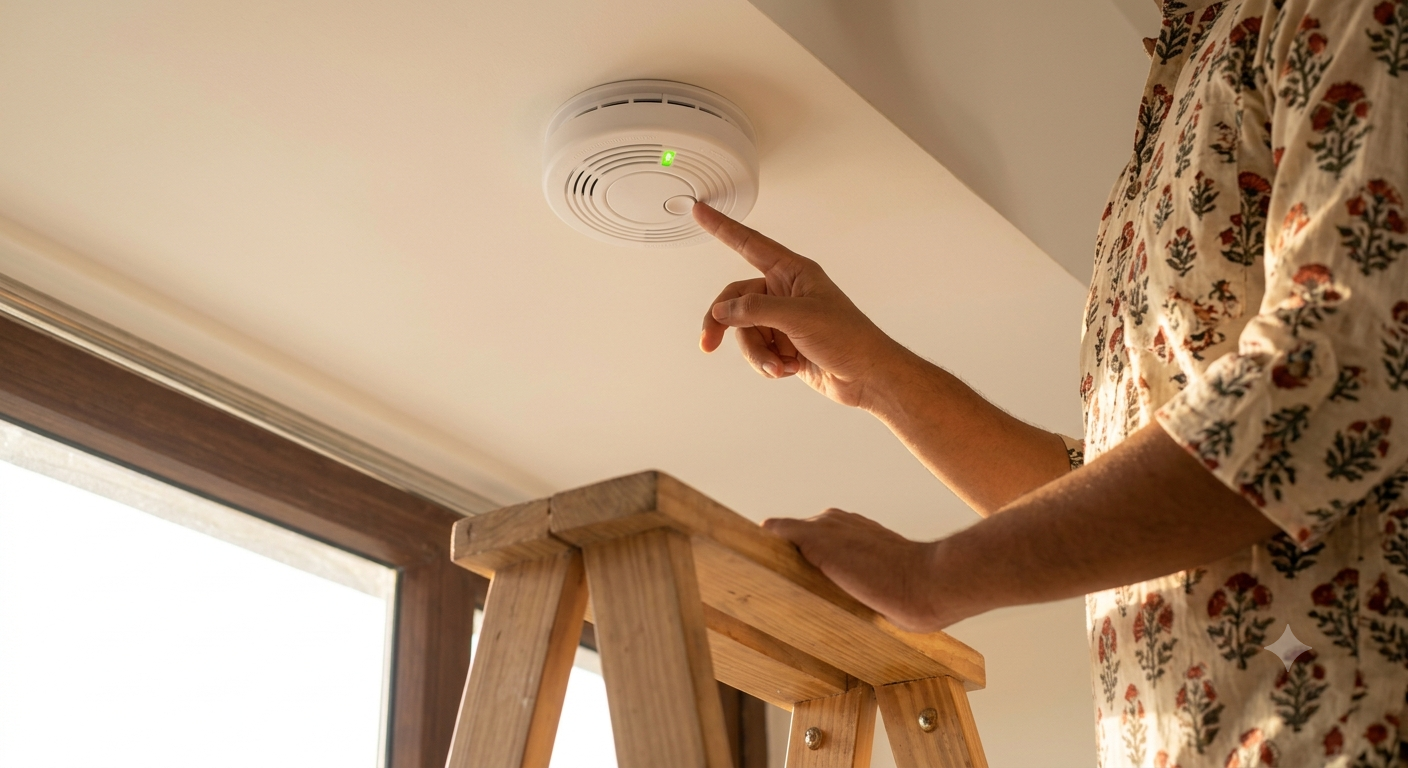
Step 2: Locate the Test Button
Every smoke alarm has a clearly marked Test button, usually located on the front or side of the unit.
If your alarm is mounted on the ceiling, you may need a sturdy step ladder to reach it safely.
Step 3: Press and Hold the Test Button
Press and hold the Test button for approximately 5 to 10 seconds.
A properly functioning smoke alarm should produce a loud, continuous alarm sound.
If the alarm sounds clearly, the electronics, speaker, and battery are working correctly.
Step 4: Listen Carefully
The alarm should be loud enough to be heard throughout your home.
Walk to different rooms while the alarm is sounding to confirm that it can be heard from bedrooms, hallways, and other living areas.
If the sound is weak or difficult to hear, consider installing additional smoke alarms.
Step 5: Release the Button
Once you’ve confirmed the alarm works correctly, release the Test button.
The alarm should stop automatically after a few seconds.
If it continues sounding unexpectedly, refer to the manufacturer’s instructions or inspect the unit for faults.
What If the Smoke Alarm Doesn’t Sound?
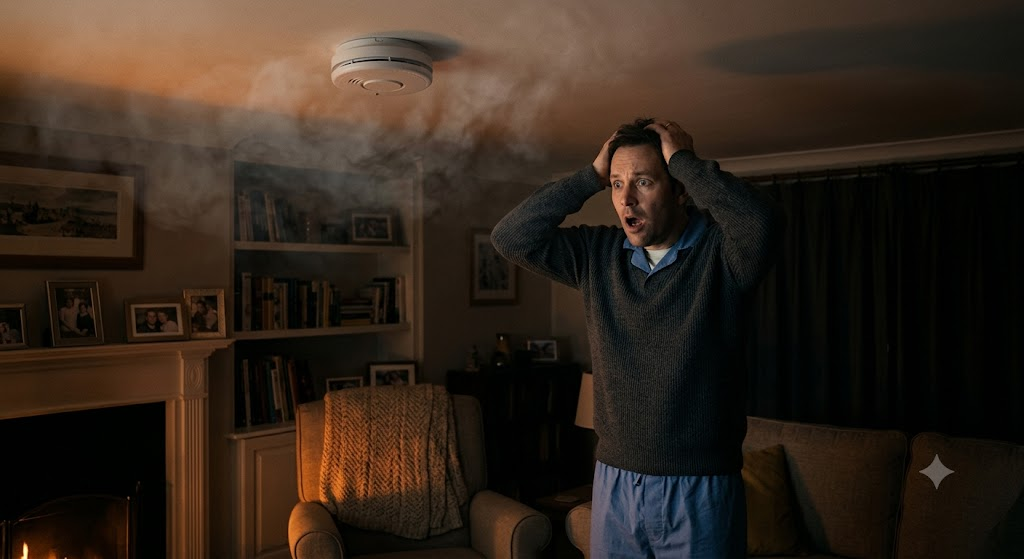
If pressing the Test button produces no sound or only a weak chirp, the alarm requires attention.
Try the following:
- Replace the battery with a fresh one.
- Ensure the battery is installed correctly.
- Check for corrosion in the battery compartment.
- Clean dust from the alarm.
- Confirm the alarm is receiving power if it is hardwired.
- Replace the unit if it is more than 10 years old.
Never ignore a smoke alarm that fails its test.
Can You Test a Smoke Alarm with Real Smoke?
Using real smoke to test a smoke alarm is generally not recommended. Burning paper, candles, or other materials inside your home can create unnecessary fire hazards and may damage the sensor.
Instead, use one of these safer methods:
- Press the built-in Test button.
- Use an approved smoke detector test aerosol specifically designed for smoke alarms.
- Follow the manufacturer’s testing instructions.
The Test button is the safest and easiest method for routine monthly testing.
Clean Your Smoke Alarm Regularly
Dust, cobwebs, and insects can interfere with the smoke sensor over time.
To keep your alarm functioning properly:
- Vacuum the outside vents every six months.
- Use compressed air to remove dust if recommended by the manufacturer.
- Wipe the exterior with a dry cloth.
- Never spray cleaning chemicals directly into the alarm.
Regular cleaning helps maintain reliable smoke detection.
Replace Batteries Before They Fail
Many smoke alarms emit a chirping sound when the battery becomes weak.
To avoid unexpected battery failure:
- Replace standard batteries once each year.
- Use high-quality batteries recommended by the manufacturer.
- Replace batteries immediately if you hear a low-battery chirp.
- Test the alarm after installing new batteries.
Smoke alarms with sealed 10-year batteries do not require battery replacement but should be replaced when the battery reaches the end of its lifespan.
Replace Smoke Alarms Every 10 Years
Smoke alarm sensors gradually become less effective as they age.
Even if the alarm appears to work, manufacturers generally recommend replacing the entire unit every 10 years.
Check the manufacturing date printed on the back of the alarm to determine its age.
Replacing outdated alarms ensures you continue receiving reliable protection.
Common Mistakes to Avoid
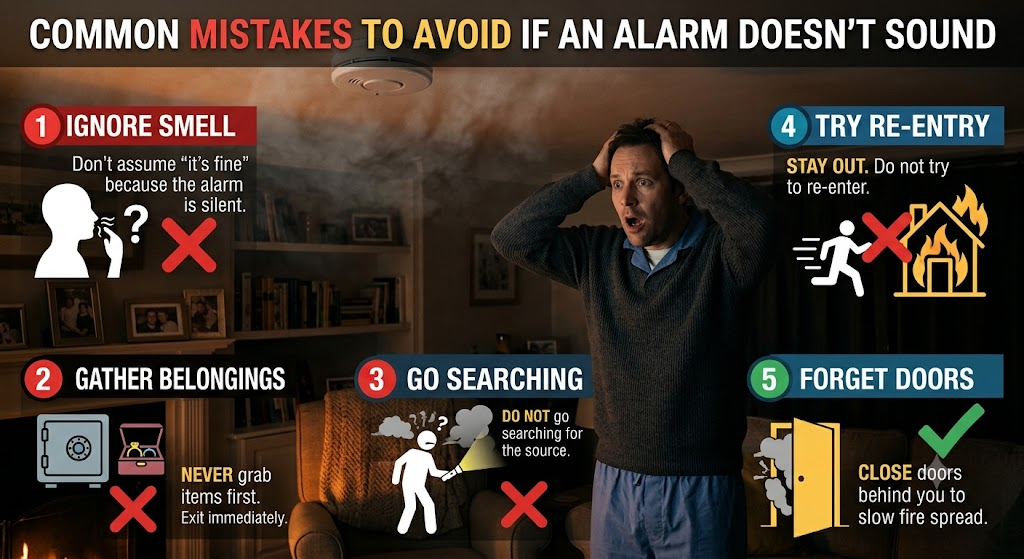
Avoid these common errors when maintaining your smoke alarms:
- Ignoring monthly testing.
- Removing batteries to stop nuisance alarms.
- Painting over the smoke alarm.
- Installing alarms too close to kitchens or bathrooms without proper placement.
- Forgetting to replace expired alarms.
- Using incompatible batteries.
- Blocking vents with dust or decorations.
Small mistakes can significantly reduce your home’s fire protection.
Additional Fire Safety Tips
Testing your smoke alarm is only one part of a complete fire safety plan.
For better protection:
- Install smoke alarms on every level of your home.
- Place alarms inside and outside every bedroom.
- Install carbon monoxide detectors where appropriate.
- Keep fire extinguishers easily accessible.
- Create a family fire escape plan.
- Practice evacuation drills at least twice a year.
- Never disable smoke alarms after false alarms—identify and fix the cause instead.
Combining working smoke alarms with good fire safety habits provides the best protection for your family.
Frequently Asked Questions
How often should I test my smoke alarm?
You should test every smoke alarm once a month using the built-in Test button.
What does it mean if my smoke alarm keeps chirping?
A chirping smoke alarm usually indicates a low battery, although it can also signal that the alarm needs cleaning or replacement.
Can I test my smoke alarm without pressing the Test button?
Yes. You can use a smoke detector test aerosol designed specifically for testing smoke alarms. However, the built-in Test button is sufficient for routine monthly checks.
How long do smoke alarms last?
Most smoke alarms should be replaced every 10 years, even if they appear to be functioning normally.
Should hardwired smoke alarms be tested?
Yes. Hardwired smoke alarms should also be tested monthly. They typically include a backup battery that should be checked and replaced as needed.
Conclusion
Knowing how to test a smoke alarm is a simple but essential skill that can help protect your home and save lives. Monthly testing, regular cleaning, timely battery replacement, and replacing alarms every ten years ensure your smoke detection system remains dependable. Combined with a well-planned fire escape strategy and proper home safety practices, working smoke alarms provide one of the most effective defenses against the dangers of residential fires.