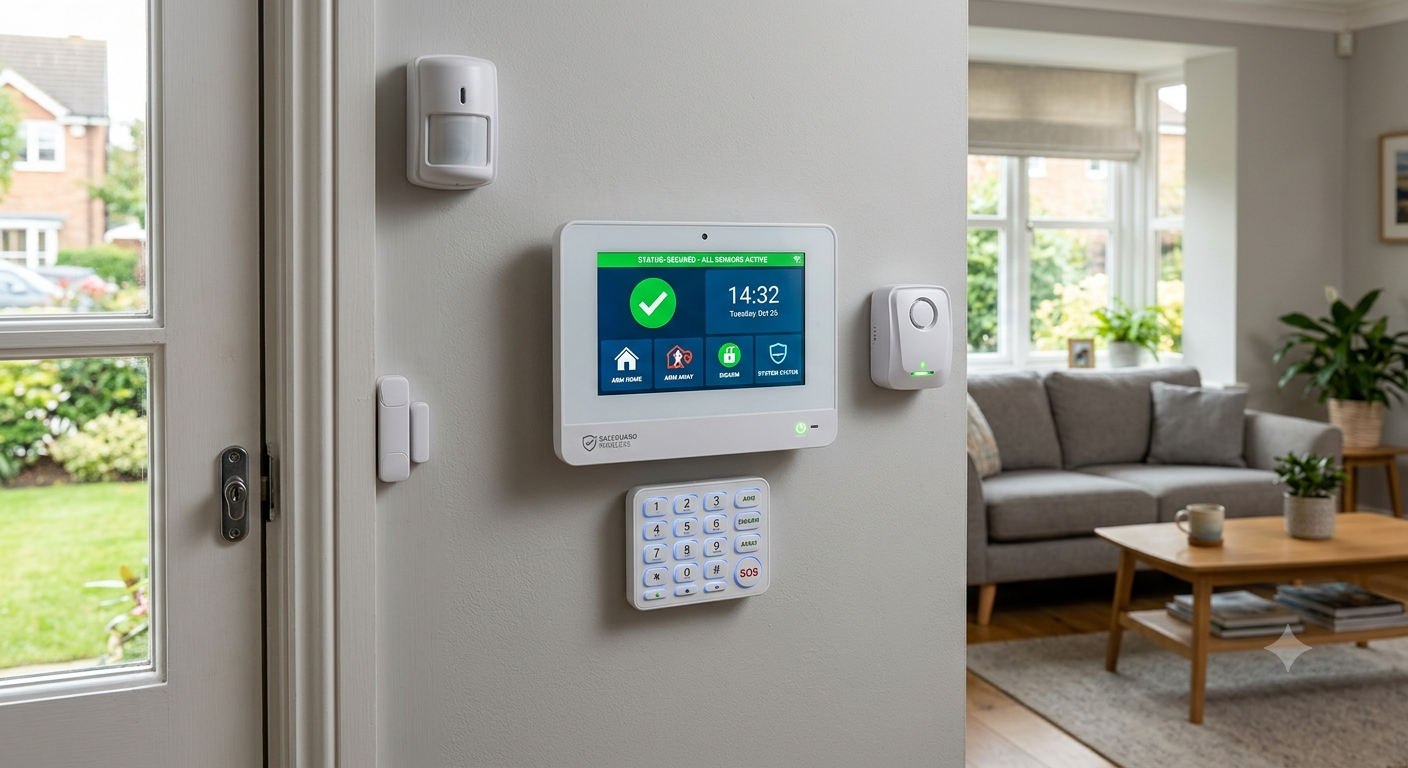
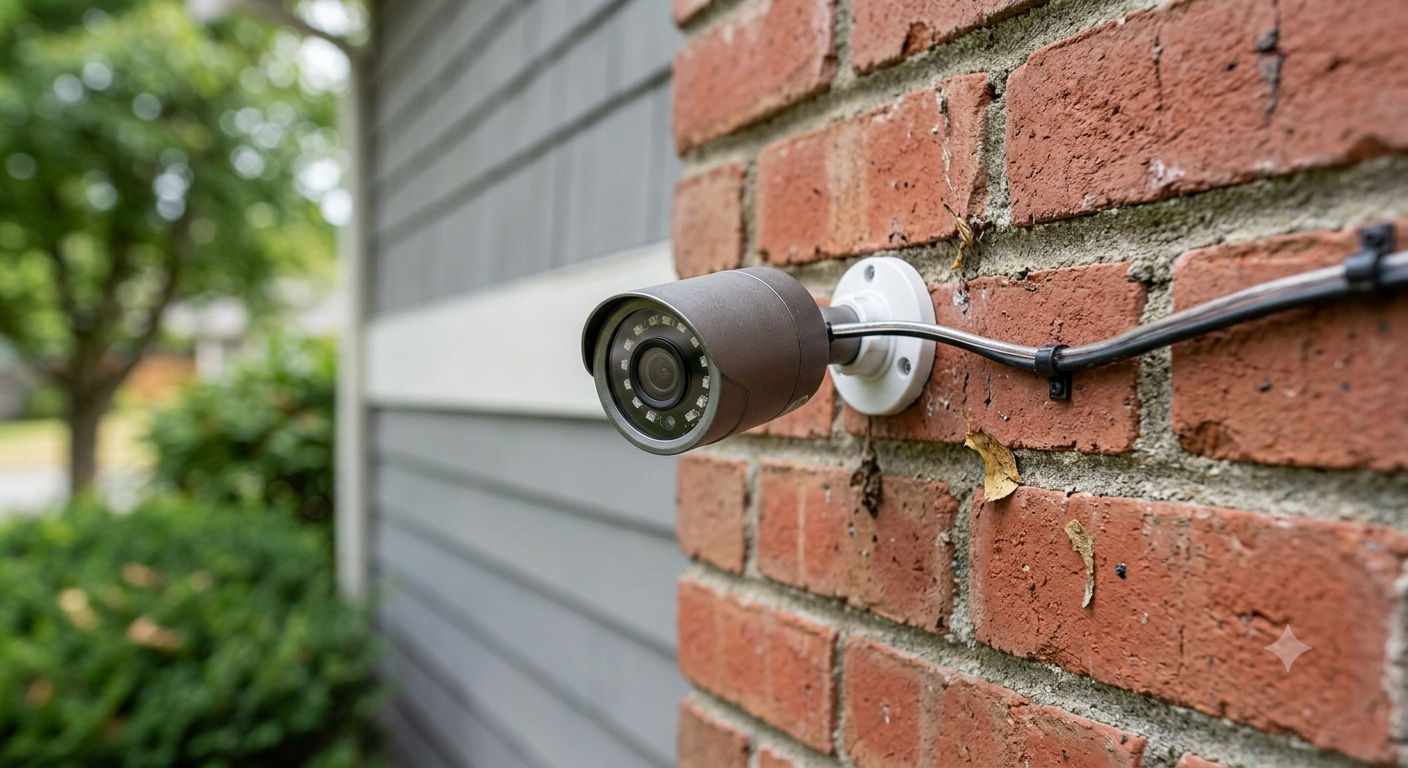
Outdoor home security cameras are one of the most effective ways to protect your property from theft, vandalism, and unauthorized access. Positioned around the exterior of your home, these cameras provide continuous surveillance, record suspicious activity, and send instant alerts when motion is detected.
Modern outdoor cameras are built to withstand harsh weather conditions while delivering high-quality video both day and night. Whether you want to monitor your front door, driveway, backyard, or garage, choosing the right outdoor security camera can significantly improve your home’s security.
Benefits of Outdoor Home Security Cameras
Installing outdoor security cameras offers several important advantages:
- Deters burglars and trespassers with visible surveillance.
- Monitors your property 24/7.
- Records evidence in case of theft or vandalism.
- Provides real-time motion alerts on your smartphone.
- Lets you check your home remotely from anywhere.
- Increases overall home safety and peace of mind.
- Helps monitor package deliveries and visitors.
Visible cameras alone can discourage many criminals from targeting your home.
Key Features to Look For
Not all outdoor cameras offer the same level of protection. When comparing options, prioritize these essential features:
High-Resolution Video
Choose cameras with at least 1080p Full HD resolution. For sharper images and better facial recognition, consider 2K or 4K models.
Weatherproof Design
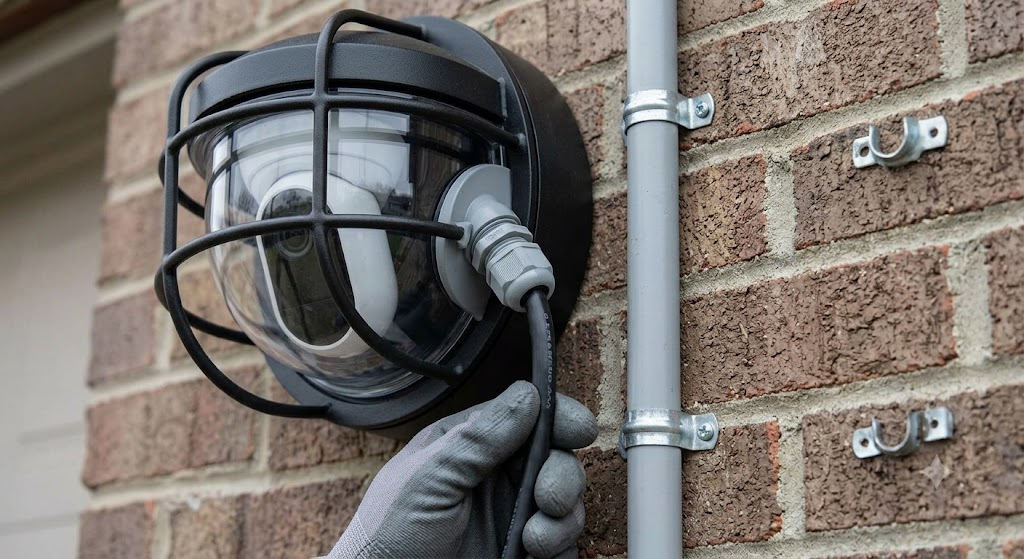
Outdoor cameras should have an IP65, IP66, or IP67 weather-resistance rating to withstand rain, dust, snow, and extreme temperatures.
Night Vision
Infrared or color night vision ensures clear footage even in complete darkness, allowing you to monitor your property around the clock.
Motion Detection
Smart motion detection reduces false alerts by distinguishing between people, vehicles, animals, and other movement.
Two-Way Audio
Built-in microphones and speakers let you communicate with visitors, delivery drivers, or even warn intruders without opening your door.
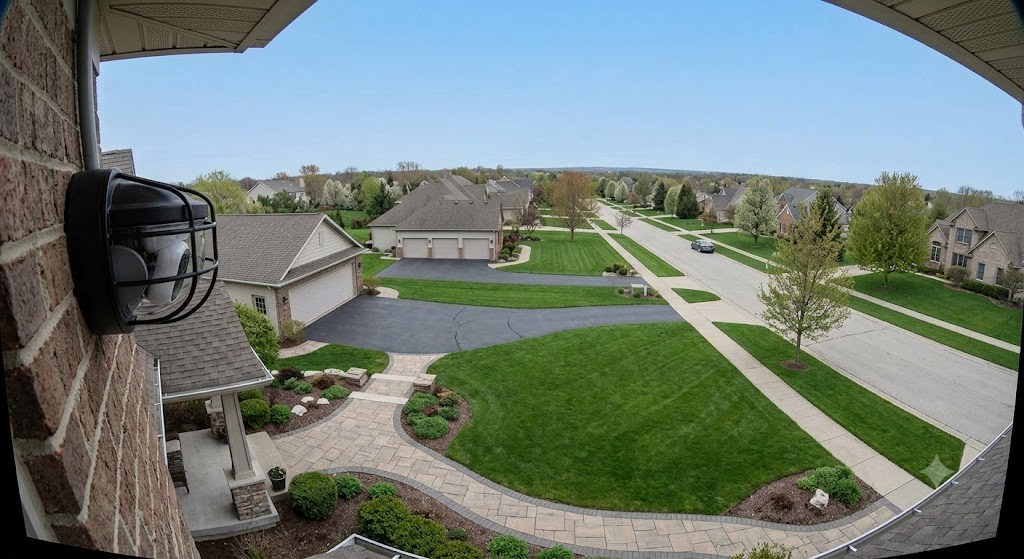
Wide Viewing Angle
A lens with a viewing angle between 120° and 160° covers more area and minimizes blind spots.
Built-In Spotlight and Siren
Many premium outdoor cameras include LED spotlights and loud sirens that automatically activate when suspicious movement is detected.
Wired vs. Wireless Outdoor Cameras
Choosing between wired and wireless cameras depends on your home’s layout and your installation preferences.
Wireless Outdoor Cameras
Advantages:
- Easy to install
- Flexible placement
- No video cables required
- Remote access through mobile apps
- Ideal for DIY installation
Disadvantages:
- Depend on WiFi signal strength
- Battery-powered models require occasional charging
Wired Outdoor Cameras
Advantages:
- Continuous power supply
- Stable video connection
- Better for large properties
- Suitable for 24/7 recording
Disadvantages:
- More complex installation
- Professional setup may be required
Best Places to Install Outdoor Home Security Cameras
Strategic placement improves coverage and reduces blind spots.
Recommended locations include:
- Front door
- Back entrance
- Garage
- Driveway
- Backyard
- Side gates
- Ground-floor windows
- Patio
- Garden
- Fence entrances
Mount cameras high enough to prevent tampering while maintaining a clear view of faces and vehicles.
Cloud Storage vs. Local Storage
Outdoor cameras typically offer one or both recording options.
Cloud Storage
Benefits:
- Access recordings from anywhere
- Automatic backup
- Easy sharing
- Safe even if the camera is stolen
Limitations:
- Subscription fees may apply
- Requires internet access
Local Storage
Benefits:
- No monthly costs
- Greater privacy
- Fast playback
- Works without cloud services
Limitations:
- Limited storage capacity
- Footage can be lost if the storage device is damaged
Many homeowners prefer cameras that support both storage methods for maximum flexibility.
Tips for Securing Outdoor Security Cameras
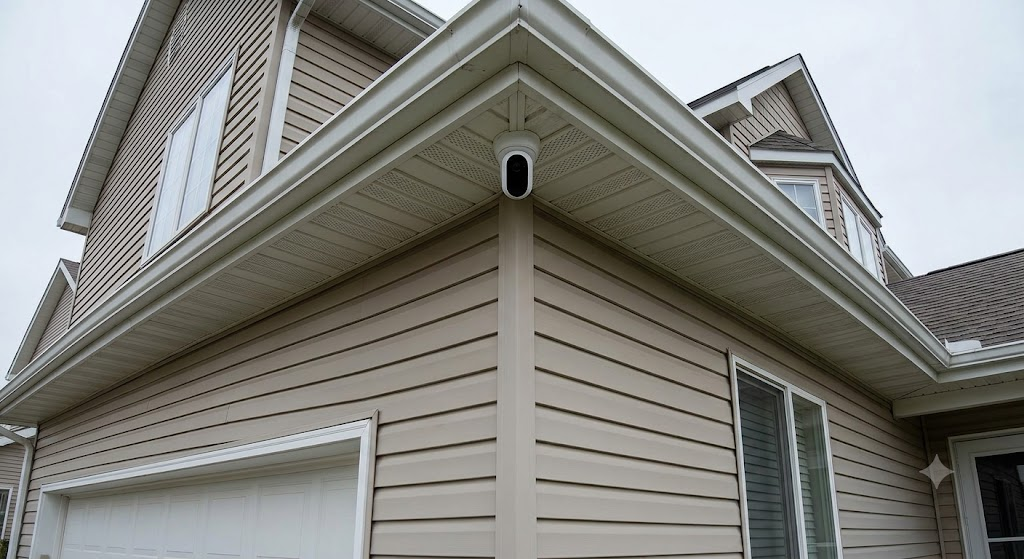
Installing cameras is only part of protecting your home. Follow these best practices to keep your surveillance system secure:
- Change default usernames and passwords immediately.
- Enable two-factor authentication if supported.
- Keep camera firmware updated.
- Connect cameras to a secure WPA3 or WPA2-AES WiFi network.
- Disable unnecessary remote access features.
- Regularly review motion alerts and camera activity.
- Clean camera lenses to maintain clear image quality.
Frequently Asked Questions
Are outdoor security cameras worth it?
Yes. Outdoor security cameras help deter crime, monitor your property, provide valuable evidence, and give you peace of mind whether you’re home or away.
Can outdoor cameras work without WiFi?
Some models record to local storage without WiFi, but internet connectivity is generally required for remote viewing, mobile notifications, and cloud backups.
How many outdoor cameras do I need?
Most homes benefit from two to six outdoor cameras, depending on the size of the property and the number of entry points.
What is the best resolution for outdoor security cameras?
1080p Full HD is sufficient for most homes, while 2K and 4K cameras provide sharper images and better detail for identifying faces, vehicles, and license plates.
Conclusion
Outdoor home security cameras are an essential investment for protecting your family and property. By selecting weather-resistant cameras with high-resolution video, smart motion detection, reliable night vision, and secure storage options, you can monitor your home with confidence. Combined with a secure WiFi network and regular firmware updates, a well-planned outdoor surveillance system provides continuous protection and helps deter potential intruders before they become a threat.